Lorem ipsum dolor sit amet, consectetur adipiscing elit. Ut elit tellus, luctus nec ullamcorper mattis, pulvinar dapibus leo.
Click Here
Beechcraft Denali Enters Final Certification Phases Following Extensive Flight Testing
Beechcraft Denali Enters Final Certification Phases Following Extensive Flight Testing
Beechcraft Denali Enters Final Certification Phases Following Extensive Flight Testing
Jarryd Sinovich
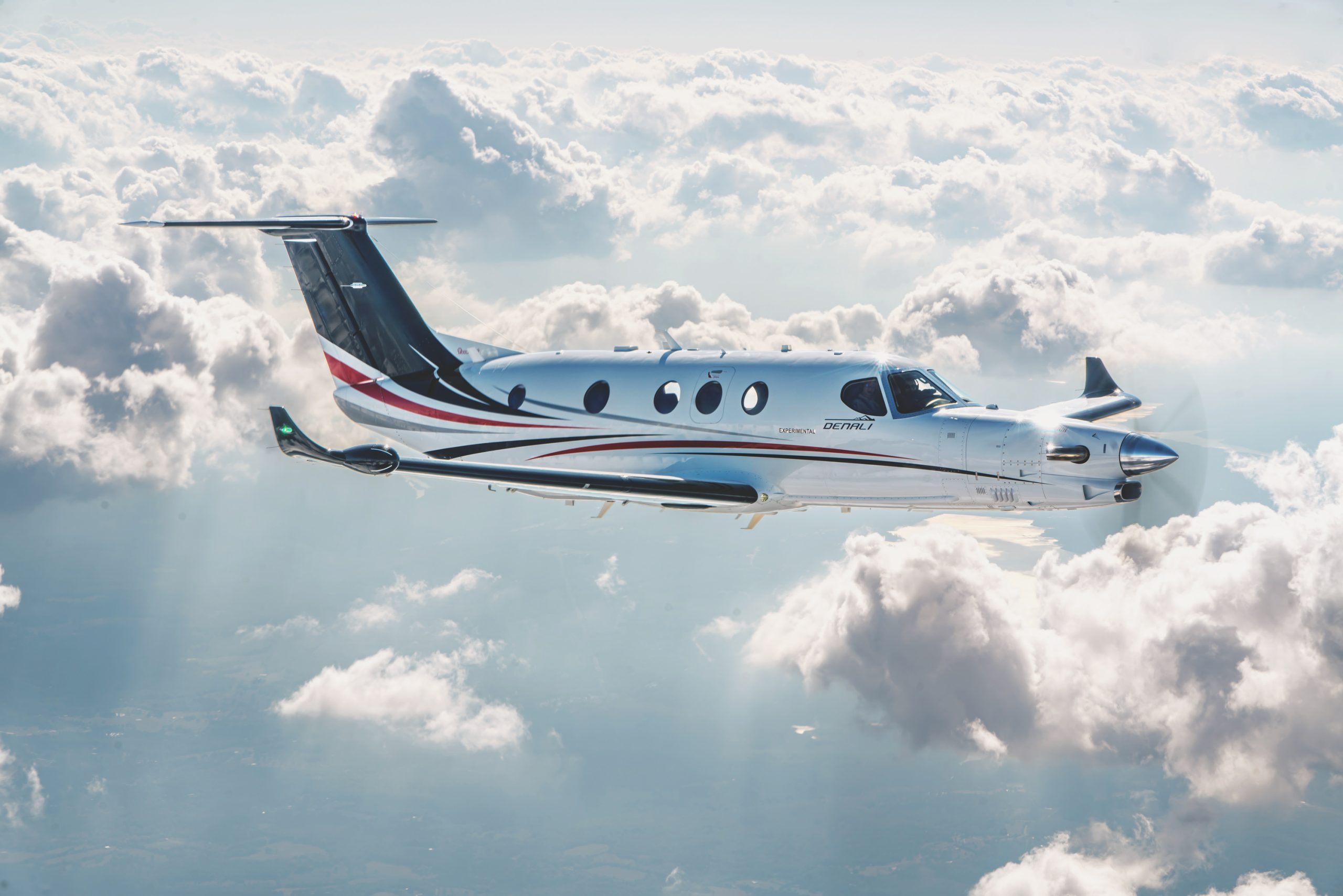
Textron Aviation has announced that its clean-sheet single-engine turboprop, the Beechcraft Denali, is entering the final phases of its flight test campaign. Speaking at EAA AirVenture Oshkosh, company executives confirmed that the flight test program remains on schedule to conclude all flight activities by October 2026, setting the stage for Federal Aviation Administration (FAA) type certification and planned entry into service in 2027.
The certification fleet, comprising three flight test articles, has logged over 4,100 flight hours across 1,650 test flights. These sorties have validated aircraft performance metrics, avionics systems, environmental envelope boundaries and field characteristics. Recent critical certification milestones completed by the program include natural icing evaluations, stall behaviour testing, flyover noise assessments, human factors integration, field performance validation and the initial phase of function and reliability testing.
Chris Hearne, Senior Vice President of Engineering and Programs at Textron Aviation, stated that the program continues to achieve meaningful progress as teams validate systems capabilities across all operational regimes. Engineered to compete directly in the high-performance single-engine turboprop market, the Denali features a flat-floor cabin offering sea-level cabin pressure up to 18,000 feet, cruise speeds reaching 285 knots and a 1,600-nautical-mile high-speed range capable of connecting city pairs such as Los Angeles to Chicago or London to Athens.
The platform serves as the launch aircraft for GE Aerospace’s FADEC-equipped Catalyst engine, a 1,300-shaft-horsepower turboprop designed to reduce fuel burn compared to existing engines in its class while operating on sustainable aviation fuel (SAF). Power is delivered through a 105-inch McCauley five-blade composite propeller with full feathering and reversible pitch. Inside the flight deck, the aircraft features the Garmin G3000 avionics suite, integrated autothrottles and standard Garmin Emergency Autoland functionality, providing single-pilot capability with enhanced automated safety systems.
Share:
Facebook
Twitter
Pinterest
LinkedIn
NEWSLETTER
Subscribe to our newsletter for new blog posts, tips and news