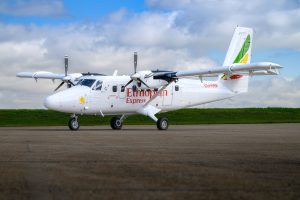
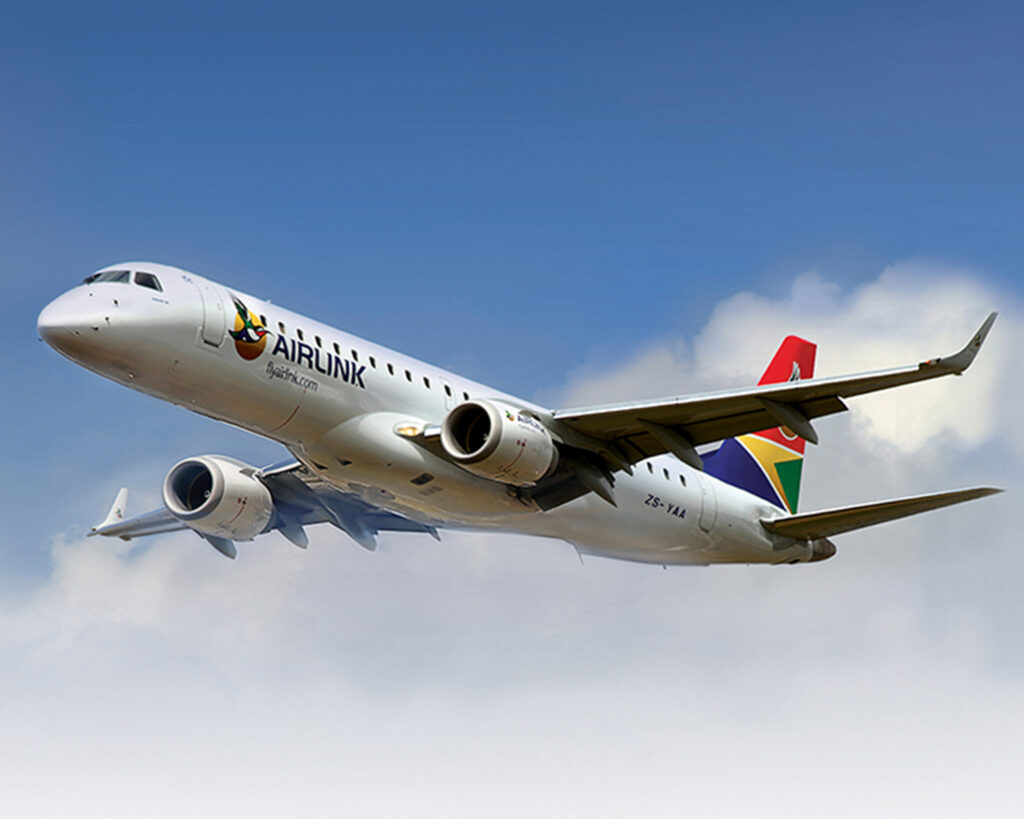
With the fate of South African Airways (SAA), Comair and SA Express hanging in the balance, the impact of the global coronavirus pandemic has truly hit home.
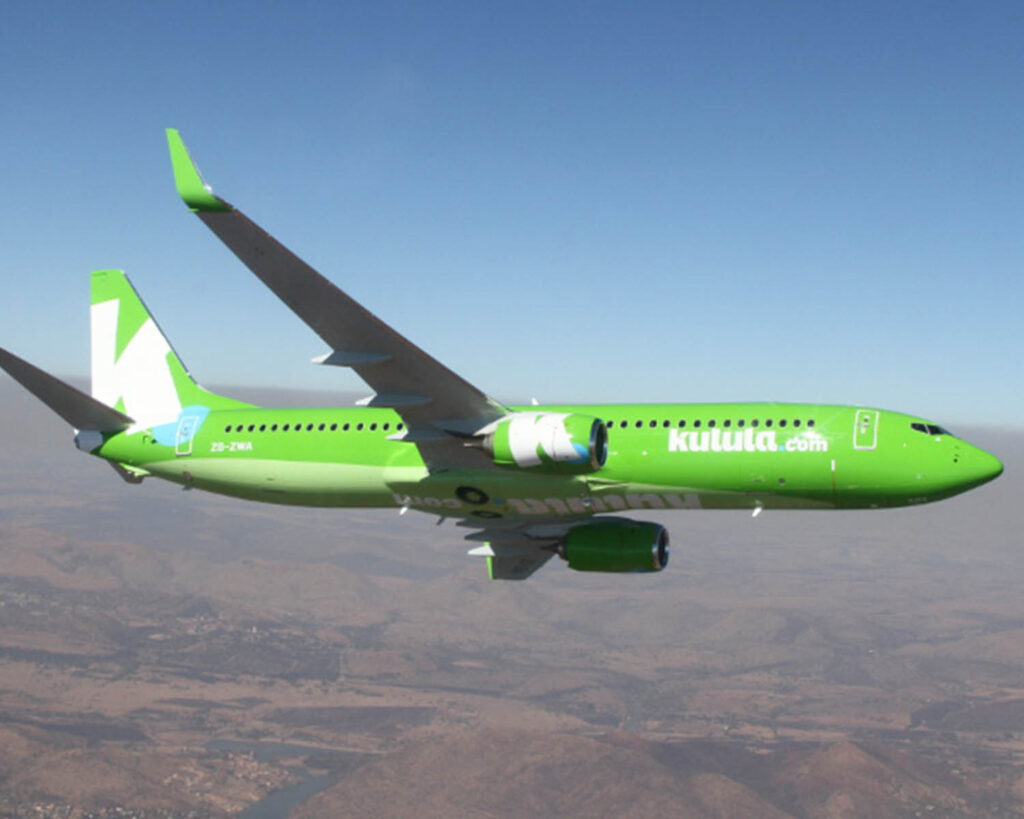
Comair, which operates Kulula and British Airways in South Africa, filed for business rescue in early May, joining SAA, which filed for business rescue in December. Meanwhile, state-owned SA Express was placed under provisional liquidation at the beginning of May.
While SAA and SA Express were struggling before the coronavirus pandemic hit, Comair’s filing for business rescue took many by surprise and is an indication of just how precarious a situation the local airline industry is in due to the coronavirus and subsequent travel restrictions that came into effect at the end of March.
Level four lockdown
Under the current Level Four lockdown, flying is tightly curtailed, with only essential services (including mining) allowed to fly. This includes security companies such as Bidvest Protea Coin, medical evacuation flights (such as those operated by Halo Aviation), limited cargo transport, repatriation flights and essential maintenance flights.
Local airlines face uncertainty as to when they will be able to fully operate again – restricted air travel will start at Level Three of the lockdown; full domestic air travel at Level Two and regional and international air travel at Level One.
It is not clear when the current Level Four will end, although it expected the government directives grounding flights is likely to last until October or November this year, meaning scheduled flights, general aviation, sport flying and training are all grounded until then.
IATA forecast
The International Air Transport Association (IATA), which represents hundreds of airlines around the world, has warned that the coronavirus pandemic will hit the African airline industry harder than expected, with African airlines forecast to lost up to $6 billion in passenger revenues this year compared with 2019 figures – $2 billion more than expected at the beginning of April.
Air passenger traffic for the continent in 2020 is predicted to amount to half that of 2019.
There are serious implications for the sustainability of the African aviation industry, with 3.1 million aviation and related jobs predicted by IATA to be lost, amounting to half of Africa’s aviation and related jobs.
On top of that, the gross domestic product (GDP) that aviation supports could drop by $28 billion this year, compared to $56 billion in 2019.
The South African landscape
In South Africa, the picture is equally dire, with the country expected to lose 14.5 million passengers and $3.02 billion in revenue in 2020.
More than 250 000 aviation-related jobs could be cut and the economy could lose $5.1 billion if the current travel restrictions continue even for a few months longer.
This mirrors the unparalleled crisis the global aviation industry is facing as stringent travel restrictions to try curb the spread of the coronavirus bring the aviation sector to a near standstill.
The airline industry has borne the brunt of these side effects, with thousands of aircraft grounded and hundreds put into storage – 16 000 passenger aircraft are grounded, according to consultancy Cirium, representing two thirds of the global fleet.
Globally, IATA predicts that the coronavirus crisis will see airline passenger revenues drop by $314 billion in 2020, a 55% decline compared to 2019. It believes 25 million jobs are at stake and the Centre for Aviation has cautioned that many airlines could go bankrupt as soon as May 2020 as high fixed costs eat up any cash reserves, reversing a remarkable global expansion in air travel.
Financial relief from governments
IATA has called on governments to grant financial relief to airport operators and airlines to ensure the survival of the industry and ensure economic recovery when the pandemic ends.
The Association is calling for taxation relief, loans, loan guarantees or direct support to maintain financial liquidity.
Several African countries have taken steps to aid their airlines – Senegal had proclaimed $128 million in relief for its air transport and tourism sector, while Seychelles has waived all aircraft landing and parking fees from April to December and the Ivory Coast has waived its tourism tax on transit passengers.
European and American airlines are getting loans, guarantees and bailouts from their governments, but little aid can be expected for African airlines, including South Africa’s.
Postponing air navigation and airport fees is not helping the situation much. Only the cargo sector faces a glimmer of hope amidst the coronavirus pandemic, and the dramatic drop in the oil price is another piece of good news, as fuel can account for a third of an airline’s expenses.
Aircraft will also be cheaper to buy following the pandemic.
Coronavirus- the single greatest challenge facing the industry
The coronavirus pandemic is almost certainly the single greatest challenge the commercial aviation industry has ever faced, dwarfing the 9/11 terror attacks, the 2003 SARS outbreak and the 2008 financial crisis.
Boeing Chief Executive Dave Calhoun said he expects it will “take two to three years for travel to return to 2019 levels and it will be a few years beyond that for the industry to return to long-term growth trends.” This will see manufacturers especially hard hit.
Other experts agree. Delta Air Lines CEO Ed Bastian warned the industry could take two to three years to recover while Darren Ellis, a Lecturer in Air Transport Management, has cautioned that it will take time to recover from the pandemic and some airlines will fail, but people will need and want to travel by air again when the pandemic is over.
Recovery will not be instant as people fear flying for months after the pandemic is over, and have already become accustomed to remote video conferencing. The aviation sector is in for a rough ride and things are going to unfortunately get worse before they get better.