
Swiss aircraft manufacturer Pilatus Aircraft has reached a major milestone in pilot training with the certification of its new PC-12 PRO flight simulators, purpose-built to support the next evolution of its highly successful single-engine turboprop platform.
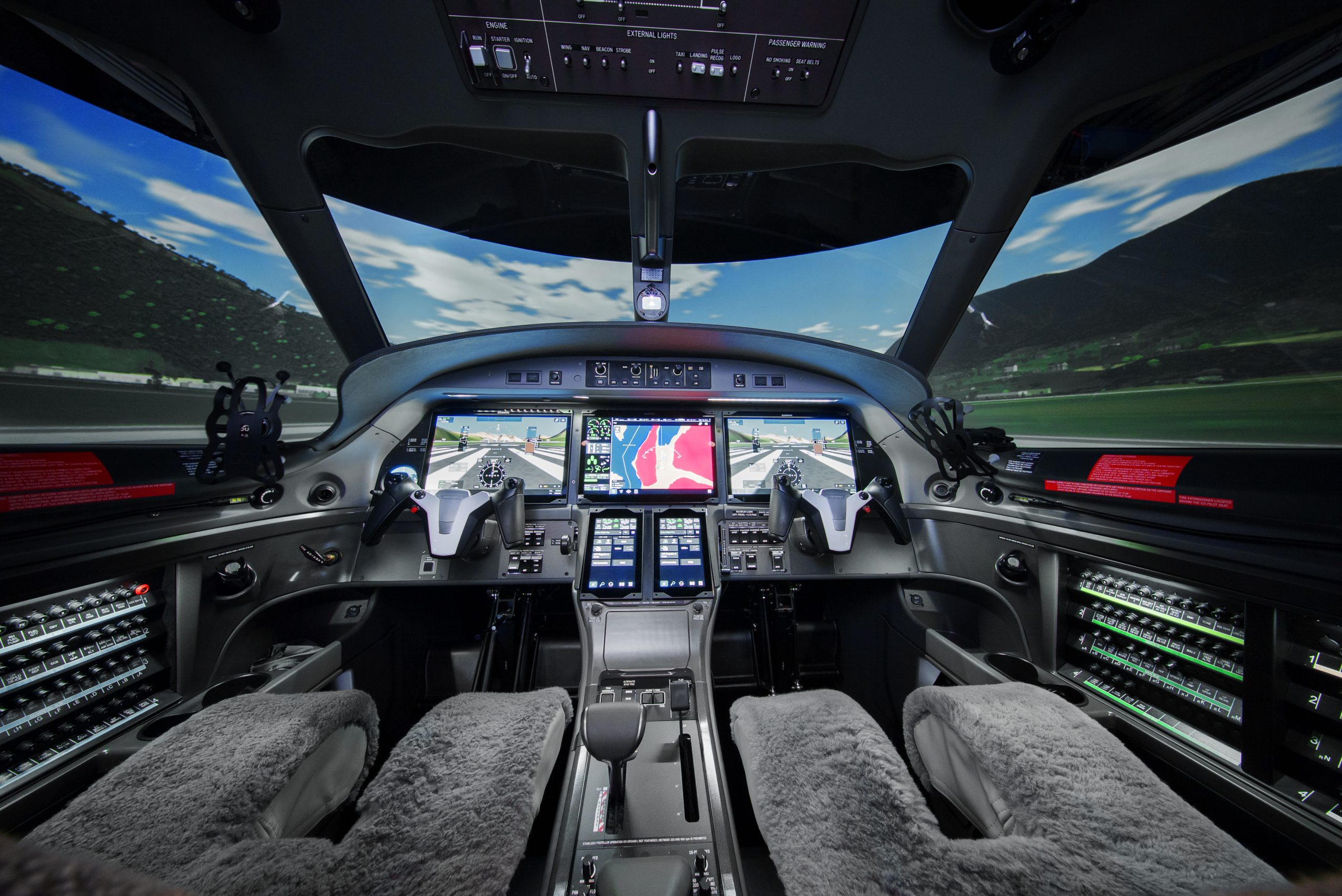
At the core of the PC-12 PRO is the Pilatus Advanced Cockpit Environment (ACE), a next-generation flight deck built around the Garmin G3000 PRIME. This advanced avionics suite introduces a new level of integration, automation and situational awareness setting a benchmark within the single-engine turboprop category. Complementing this leap in cockpit technology is a newly certified simulator ecosystem designed to deliver a seamless and highly effective training experience.
The simulators have received approval from both the European Union Aviation Safety Agency (EASA) and the Federal Aviation Administration (FAA) underscoring their compliance with stringent international training standards. In Europe the device is certified as a Level 2 Flight Training Device (FTD) and as a Level II Flight Navigation Procedures Trainer with Multi-Crew Cooperation (MCC) capability. In the United States it meets the criteria for a Level 6 FTD.
Already operational in Switzerland and available in the United States through SIMCOM Aviation Training the simulators are positioned to play a central role in the PC-12 PRO’s pilot training program. Designed primarily as a systems trainer the device allows pilots to become fully acquainted with the aircraft’s smart cockpit architecture enabling them to build proficiency in a controlled and highly realistic environment.
From standard operating procedures to abnormal and emergency scenarios the simulator provides comprehensive training capability. Pilots can rehearse complex workflows practice responses to system failures and experience challenging weather conditions—all without leaving the ground. This not only enhances safety outcomes but also enables repetition of critical scenarios that would be impractical or unsafe to replicate in the aircraft itself.
A key advantage of the PC-12 PRO training philosophy is its efficiency. Transition training for pilots moving from earlier variants such as the NG and NGX can be completed entirely in the simulator significantly reducing both operational costs and aircraft downtime. The approach also aligns with broader sustainability goals as simulator-based training dramatically lowers emissions compared to traditional flight training.
Early feedback from operators has been highly positive. Captain Ralf Wendland of Kitzbühel Airways one of the first to complete the course highlighted the demanding yet rewarding nature of the program noting the expertise of instructors and the performance-driven training environment.
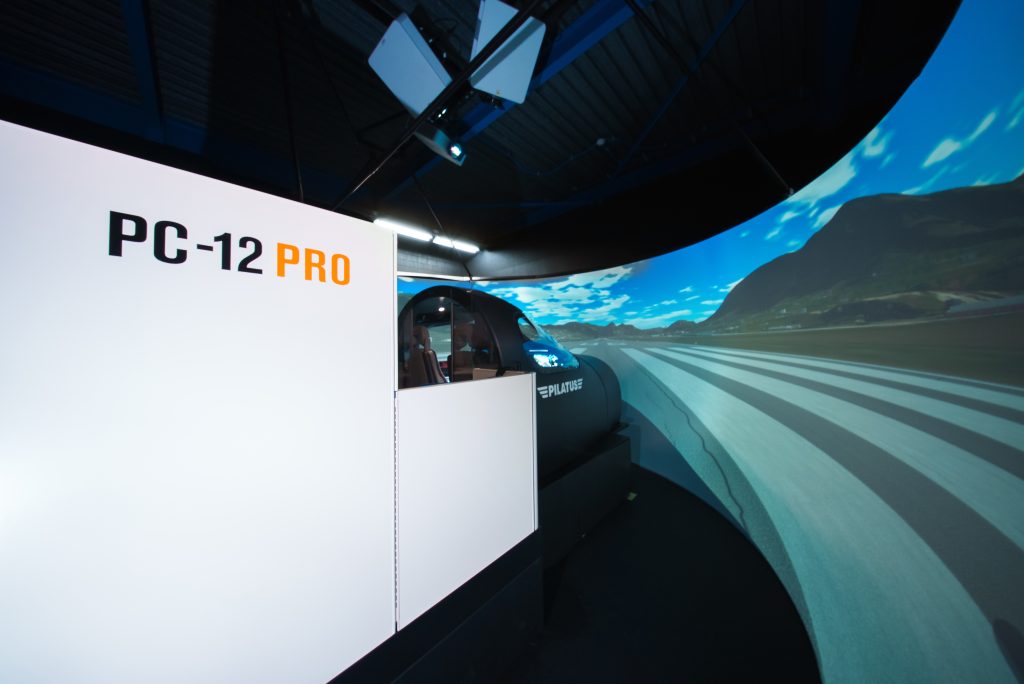
Pilatus is also looking ahead with the first full-motion PC-12 PRO simulator currently in development. Scheduled for entry into service in 2028 it will be based at the training centre of Fly7 at Lausanne Airport (La Blécherette) further expanding global training capacity.
According to David Liechti Team Leader Flight Training at Pilatus the integration of advanced simulation with web-based learning tools represents a fundamental shift in how pilots are trained. The result is a comprehensive program that not only delivers exceptional training quality but also contributes directly to enhanced operational safety.
With the PC-12 PRO and its certified simulator platform Pilatus is reinforcing its reputation for innovation—delivering a training ecosystem that is as progressive and proven as the aircraft it supports.