Lorem ipsum dolor sit amet, consectetur adipiscing elit. Ut elit tellus, luctus nec ullamcorper mattis, pulvinar dapibus leo.
Click Here
Boeing Pushes 737-10 Autoland System to the Limit in Extreme Texas Crosswinds
Boeing Pushes 737-10 Autoland System to the Limit in Extreme Texas Crosswinds
Boeing Pushes 737-10 Autoland System to the Limit in Extreme Texas Crosswinds
Jarryd Sinovich
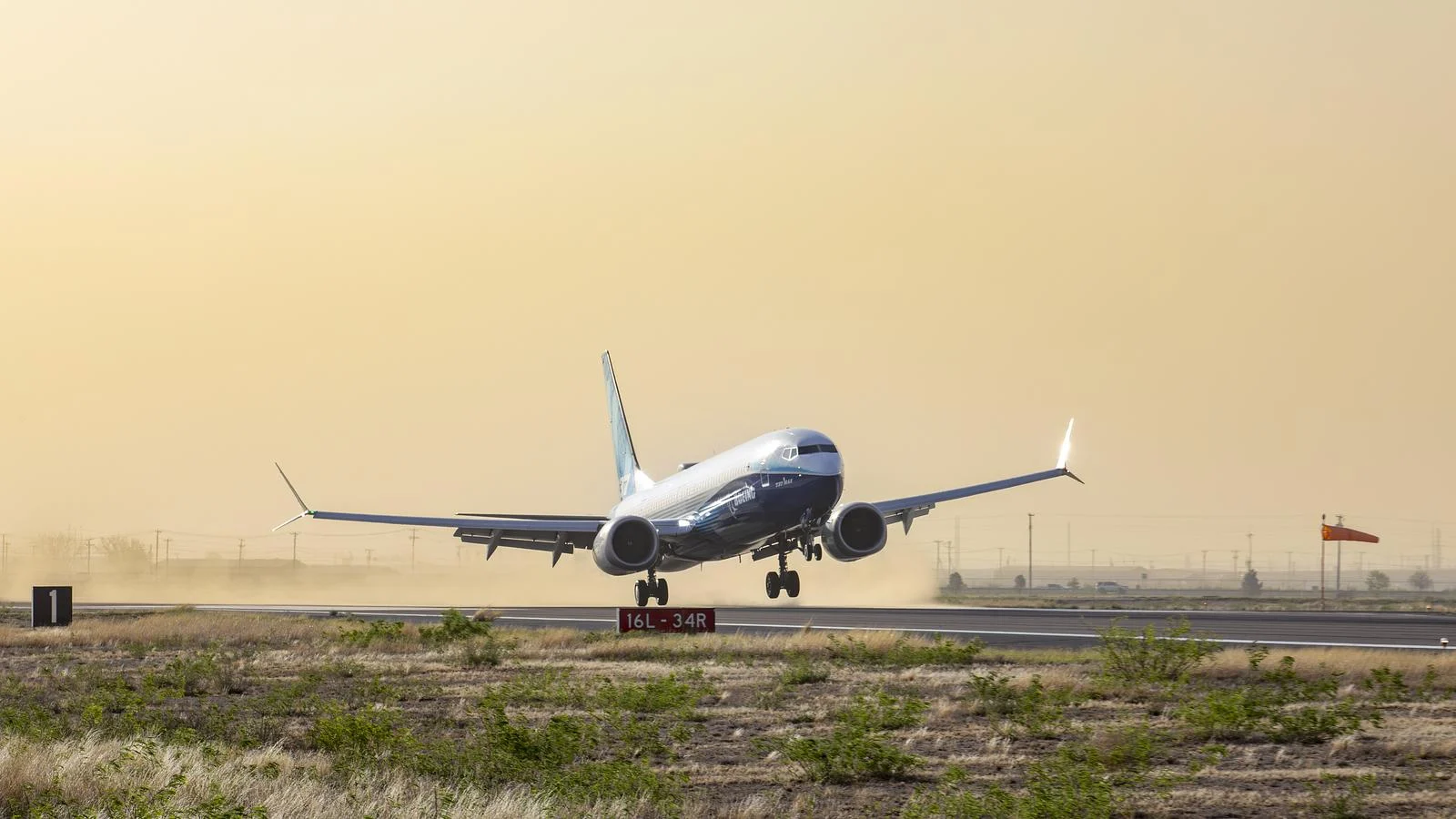
Boeing flight test teams recently completed a rigorous crosswind testing campaign in Midland, Texas, pushing the upcoming 737-10 to its limits to validate the aircraft’s autoland system under severe weather conditions. The automated system, designed to land the narrowbody airliner safely during low-visibility and high-wind scenarios, underwent exhaustive evaluations as part of its final certification phase, which is currently slated for later this year.
Executing these high-consequence trials required deep collaboration among Boeing’s meteorologists, test operations specialists, ground crews, flight controls engineers and flight crews. Because unpredictable weather patterns only offer high-fidelity forecasts two to three days in advance, the engineering team remained on short-notice wind watch, ready to deploy the aircraft as soon as gusty conditions developed over the Texas plains.
During the approaches, test pilots evaluated how effectively the aircraft tracked the flight path and whether the automated system executed rapid, precise corrections within the lateral boundaries of the runway. Although the 737-10 is the largest variant in the 737 MAX family, its autoland system has been meticulously tuned to mimic the exact handling characteristics, responsiveness and safety margins of its smaller sister models.
To achieve type certification from aviation regulators, Boeing must prove the aircraft can reliably handle real-world conditions that far exceed standard operational limits. The successful completion of these crosswind trials represents a critical step forward for the program, supporting the aerospace manufacturer’s broader push to certify both the 737-7 and 737-10 variants within the 2026 calendar year.
For a closer look at the programmatic milestones and the regulatory timeline surrounding these final flight testing phases, you can watch this Boeing 737 MAX Certification Progress Report which highlights when airlines can expect the newly certified variants to officially enter commercial service.
Share:
Facebook
Twitter
Pinterest
LinkedIn
NEWSLETTER
Subscribe to our newsletter for new blog posts, tips and news