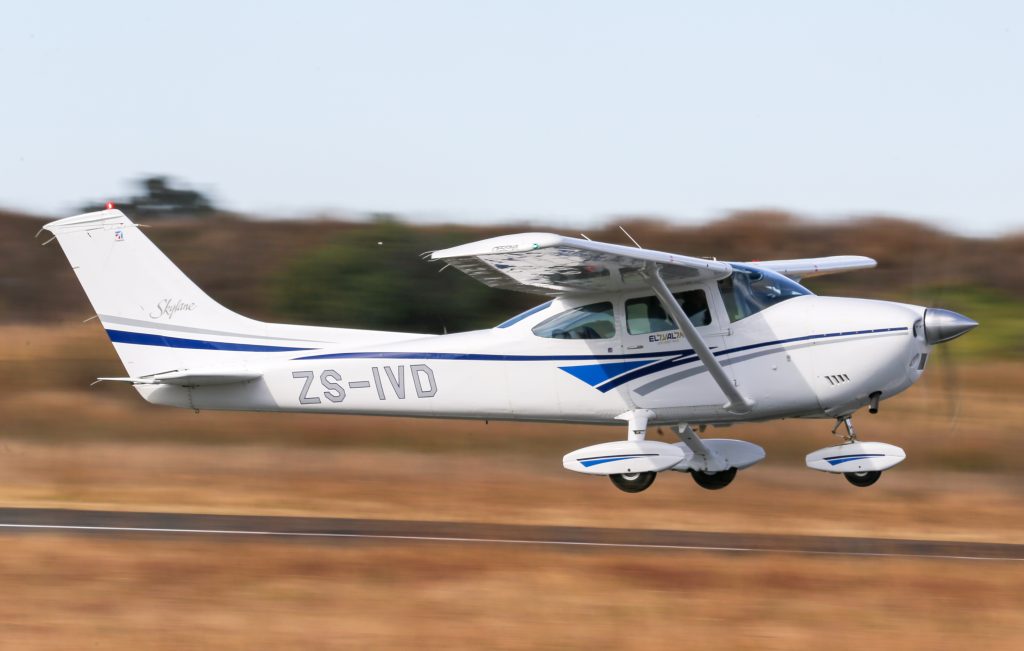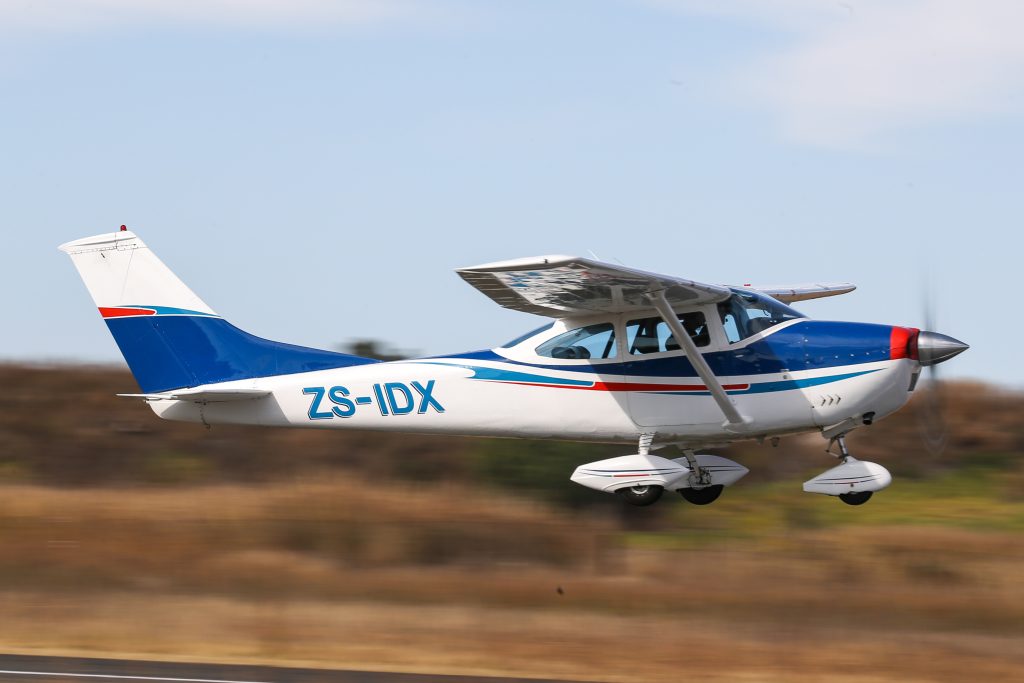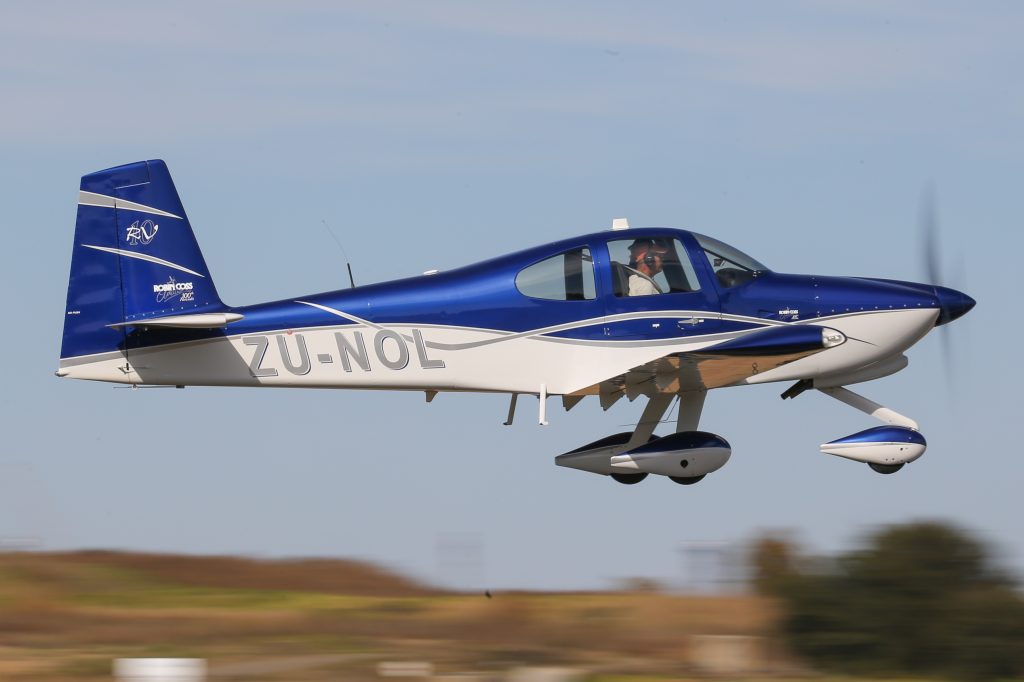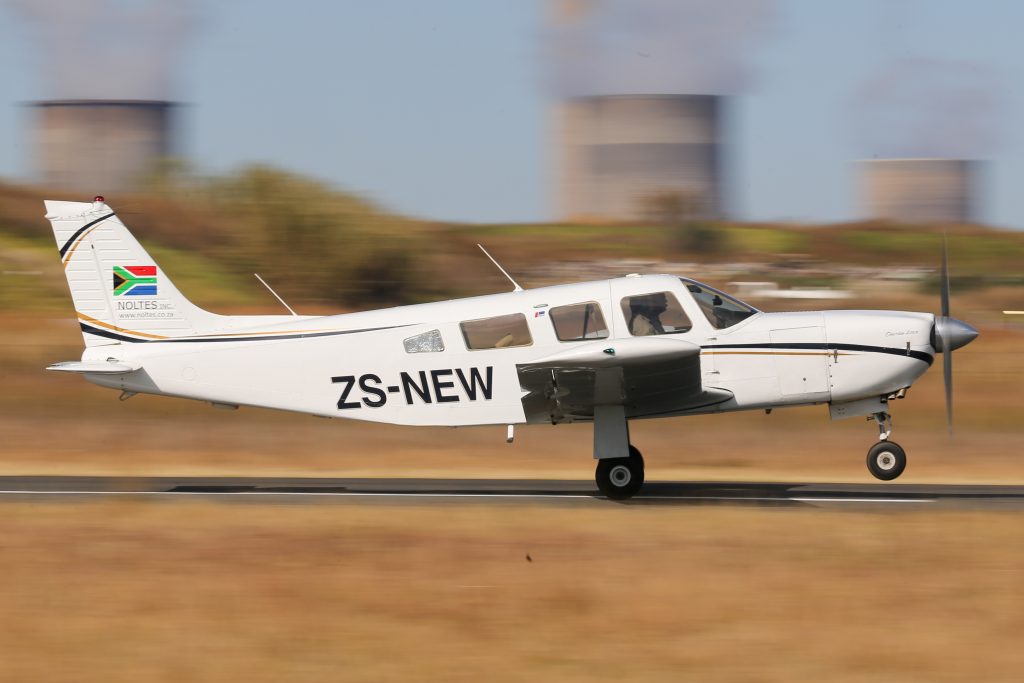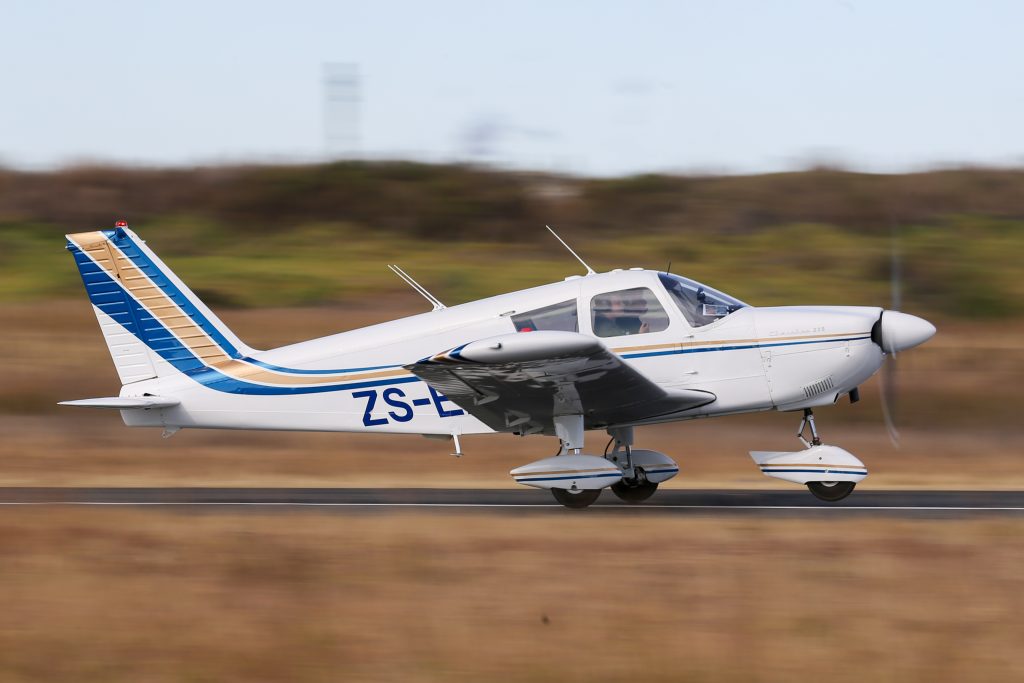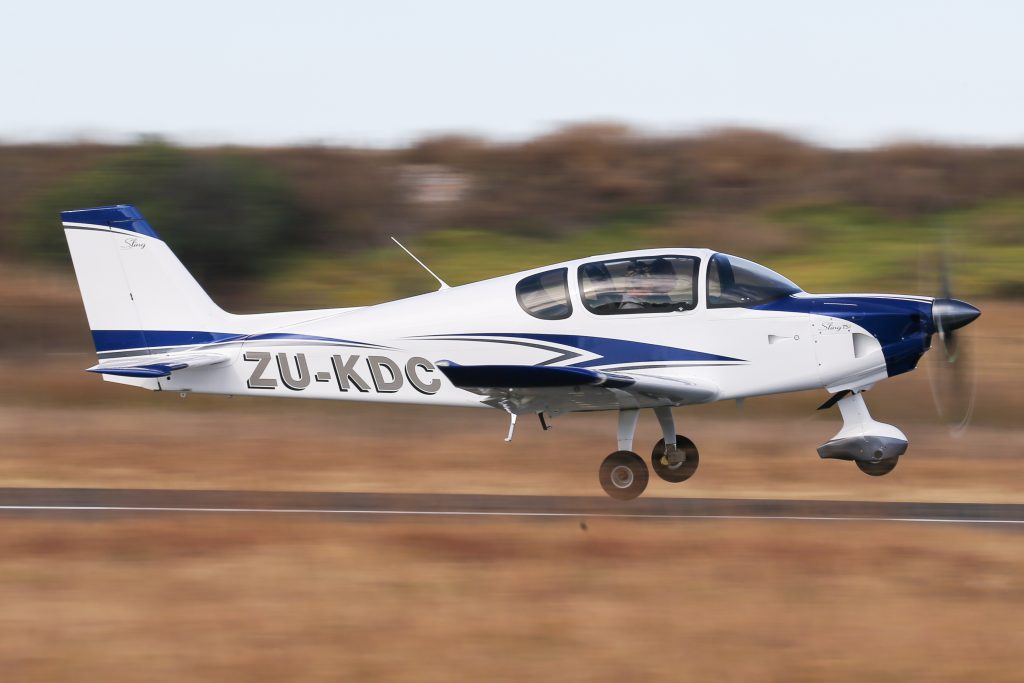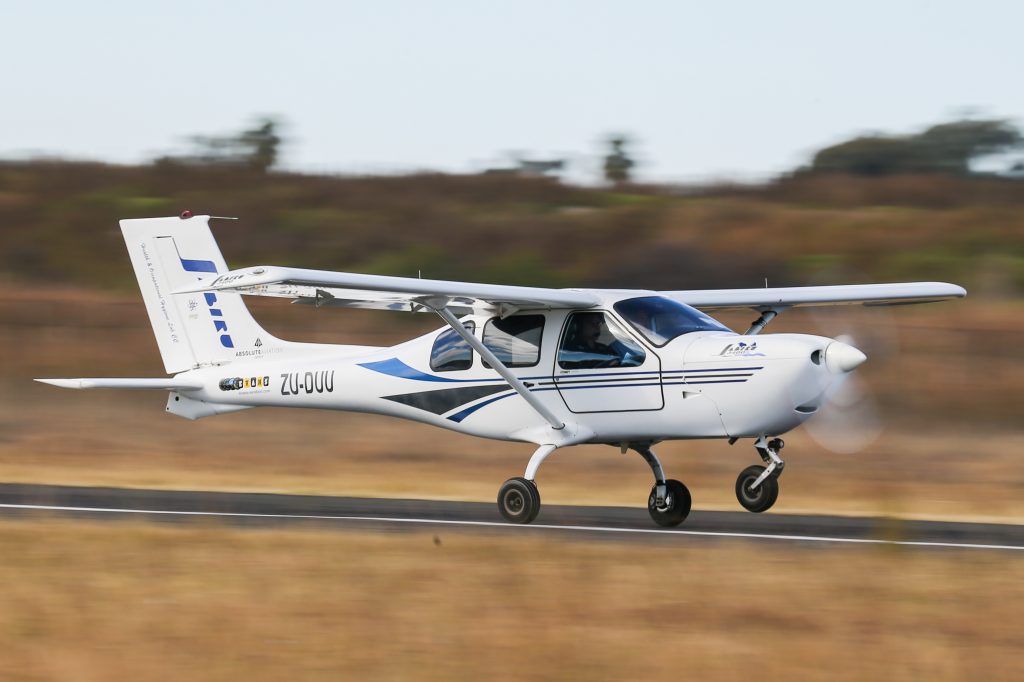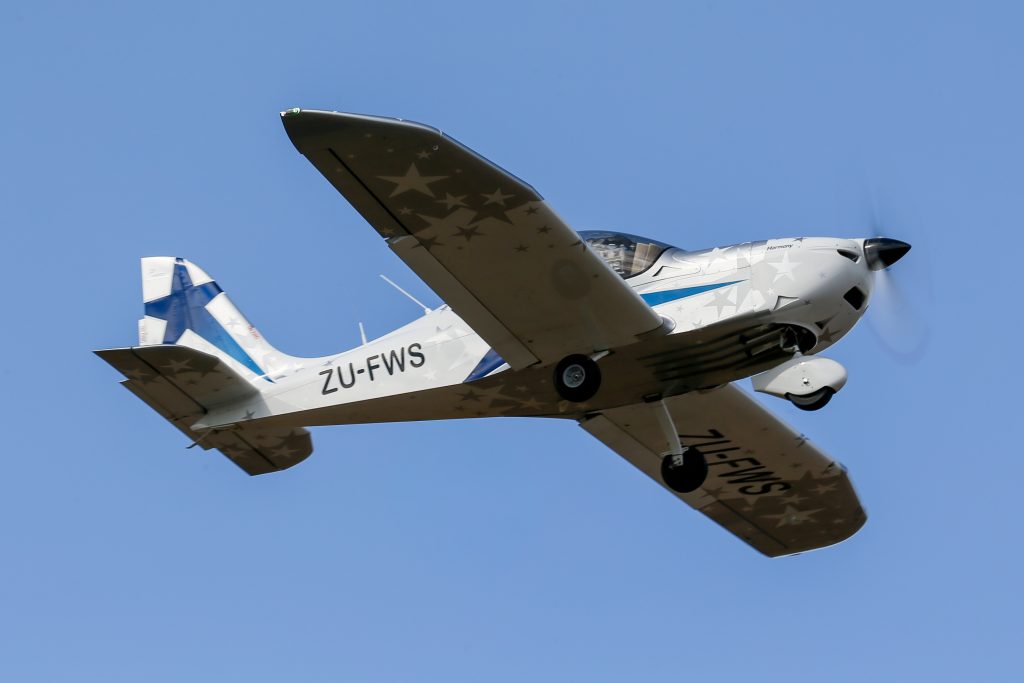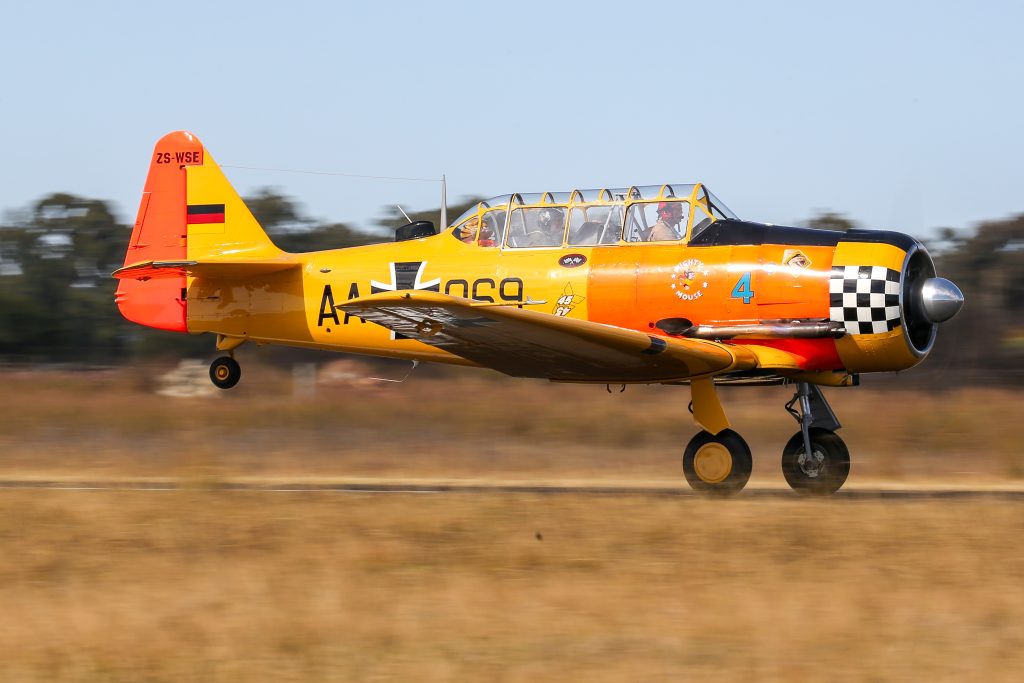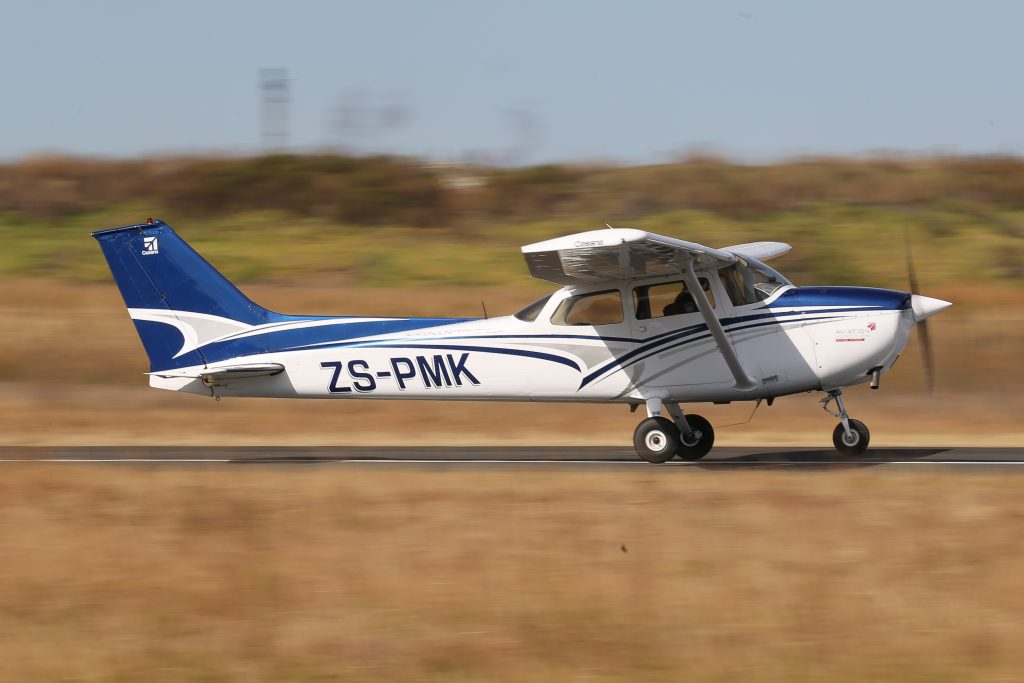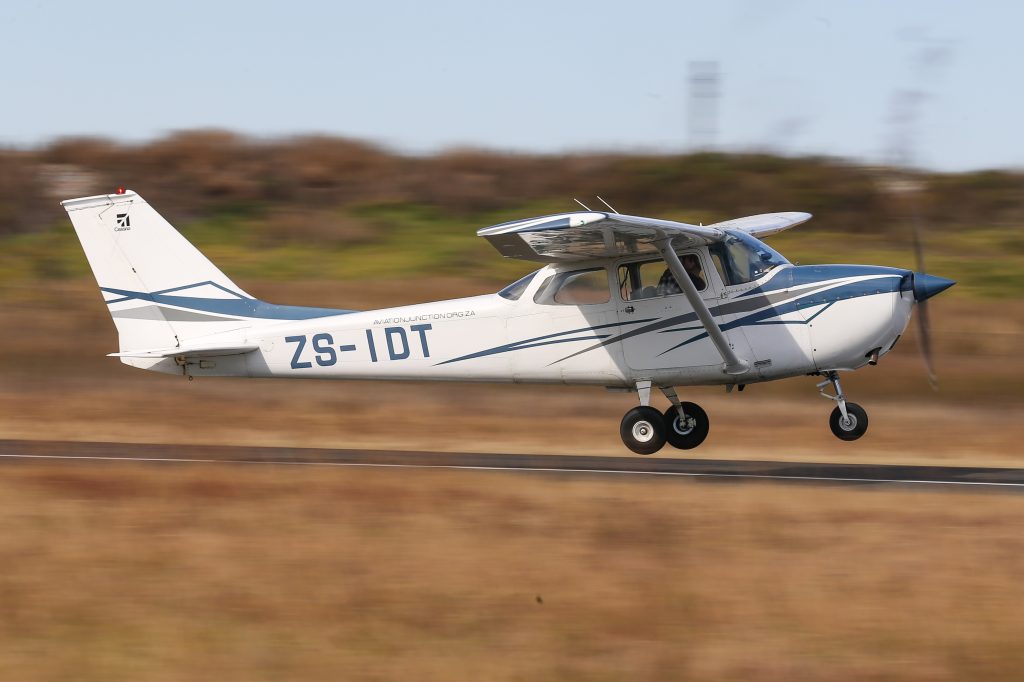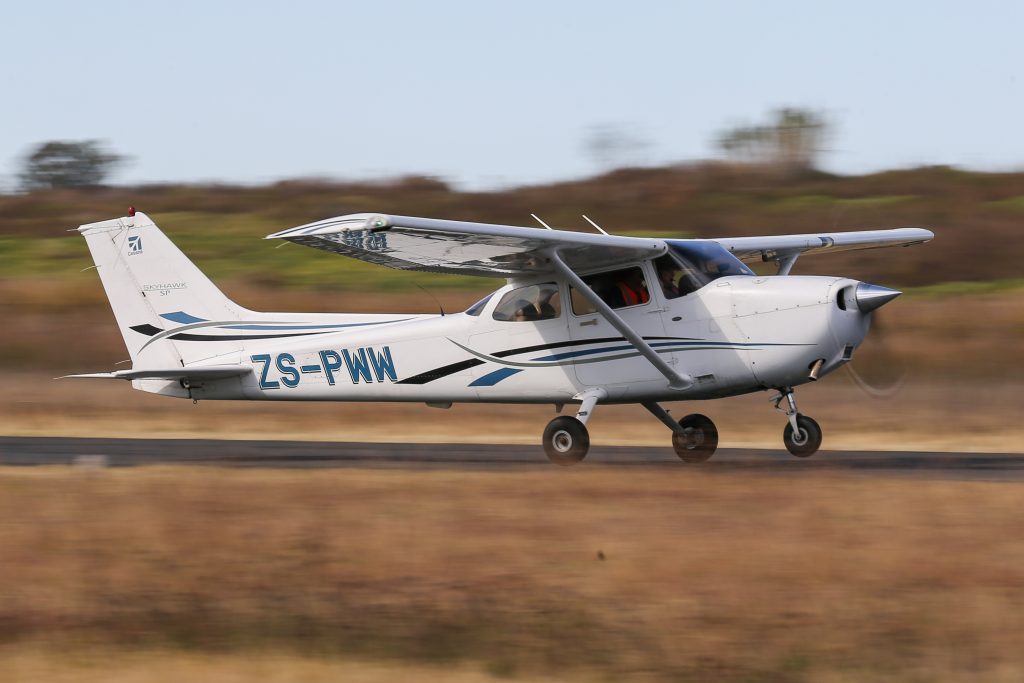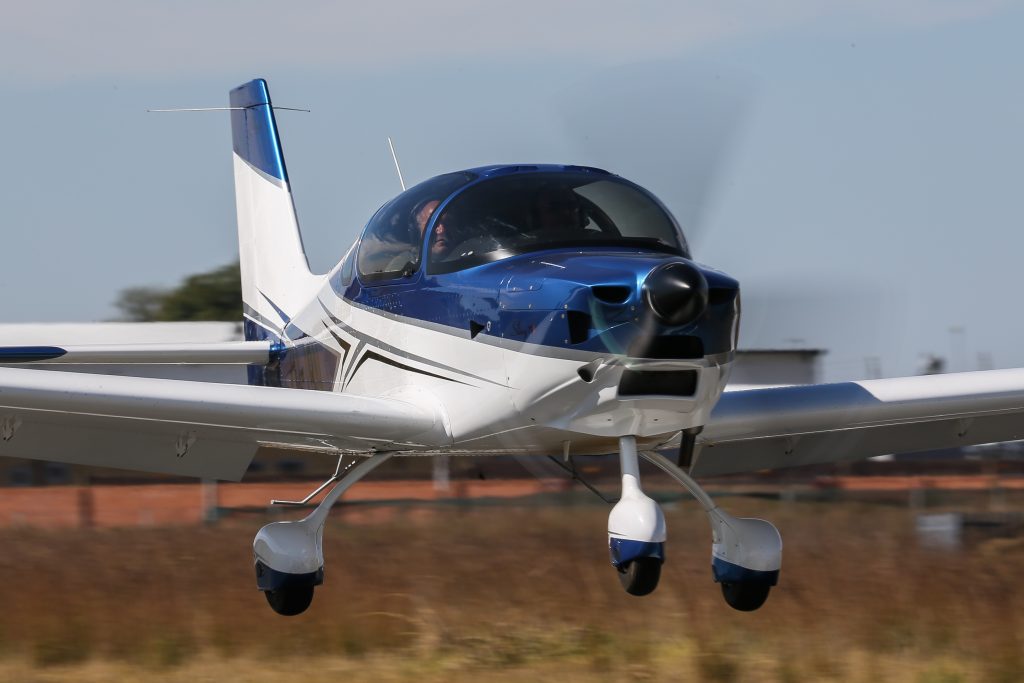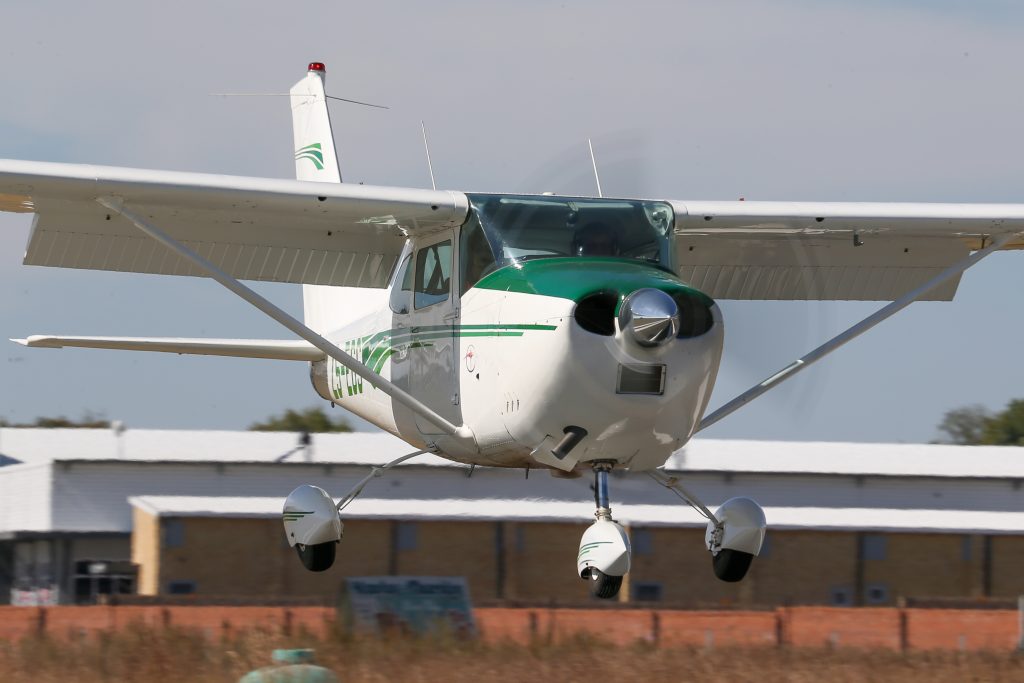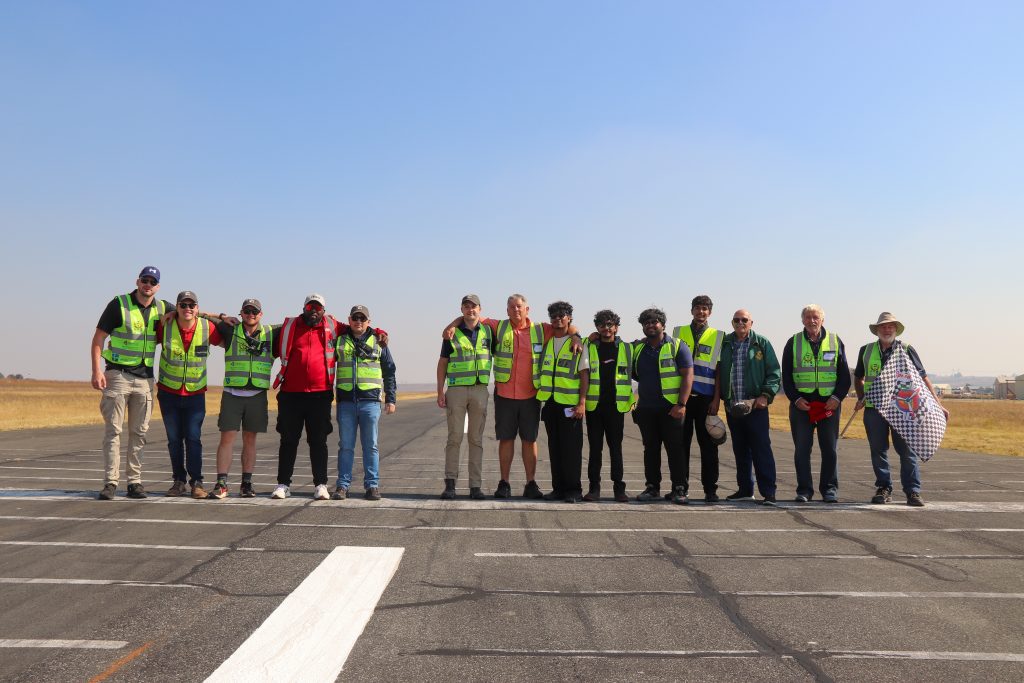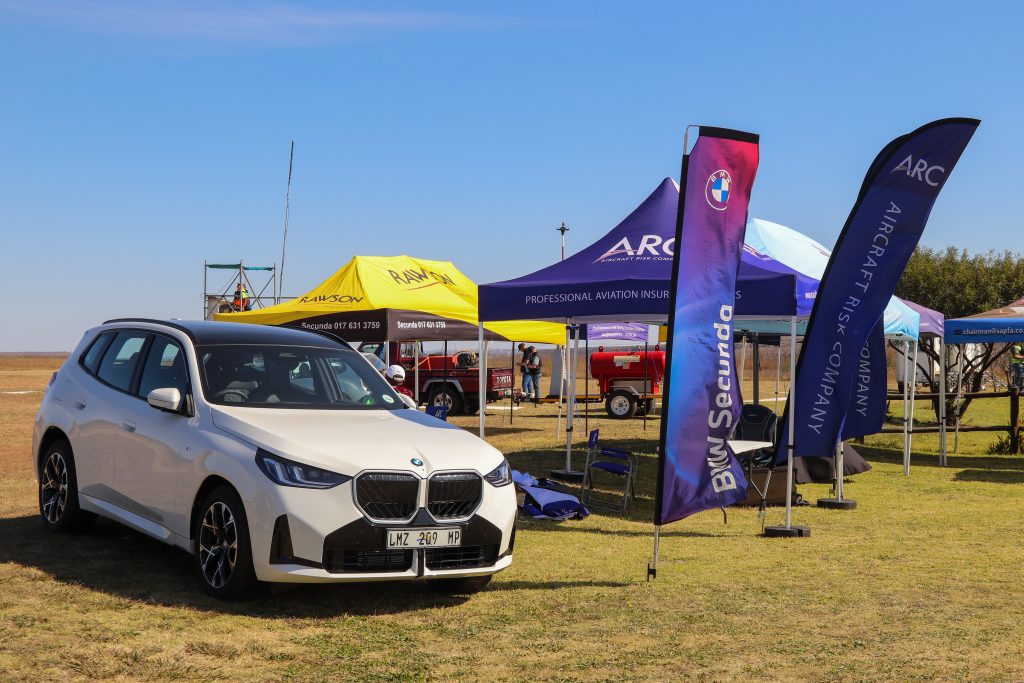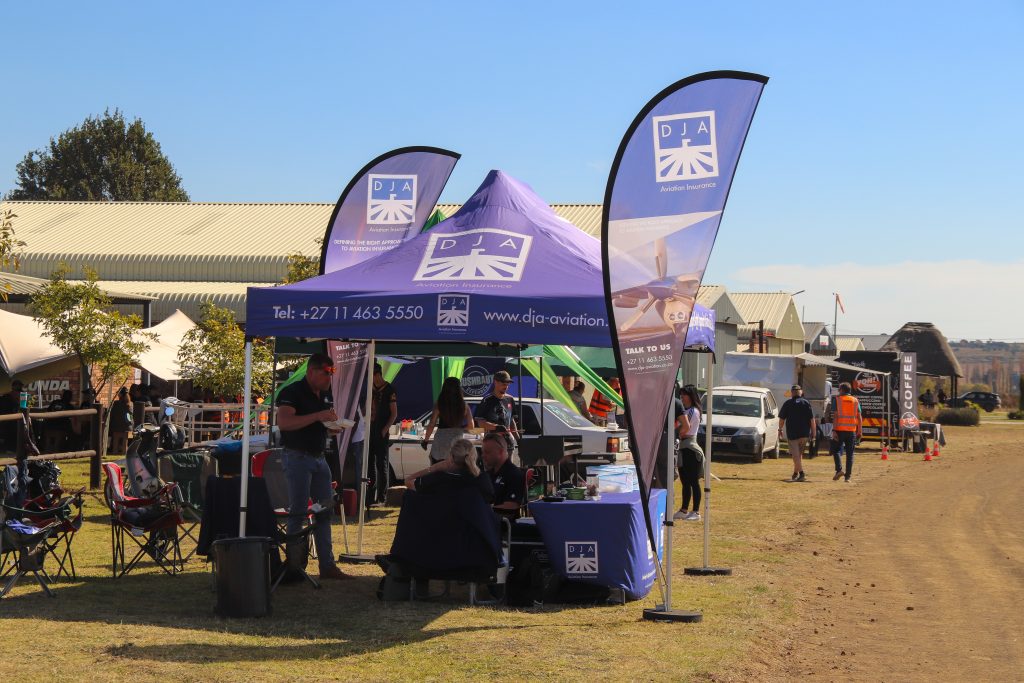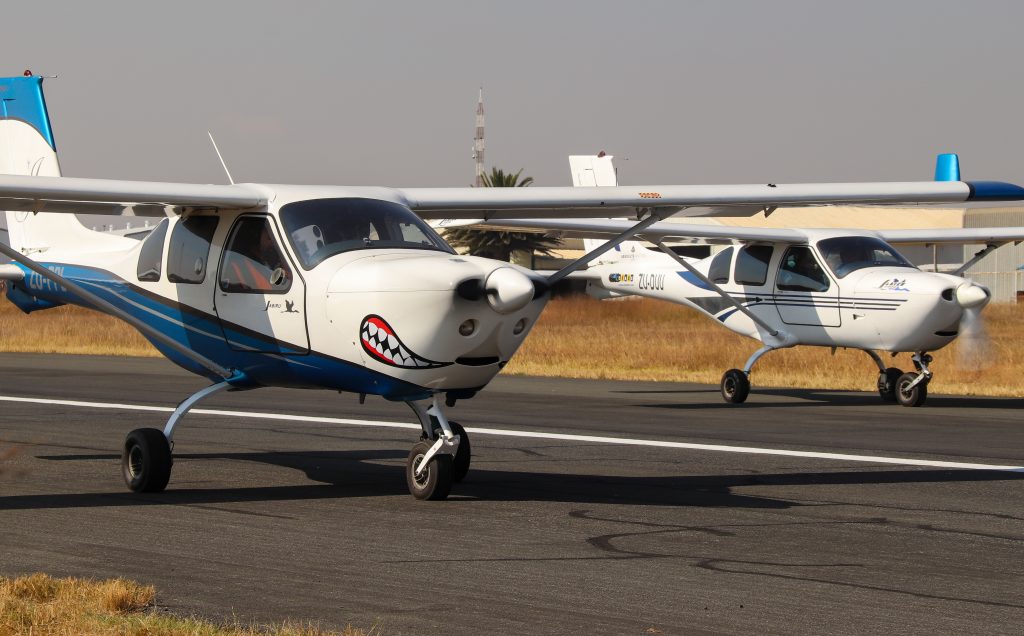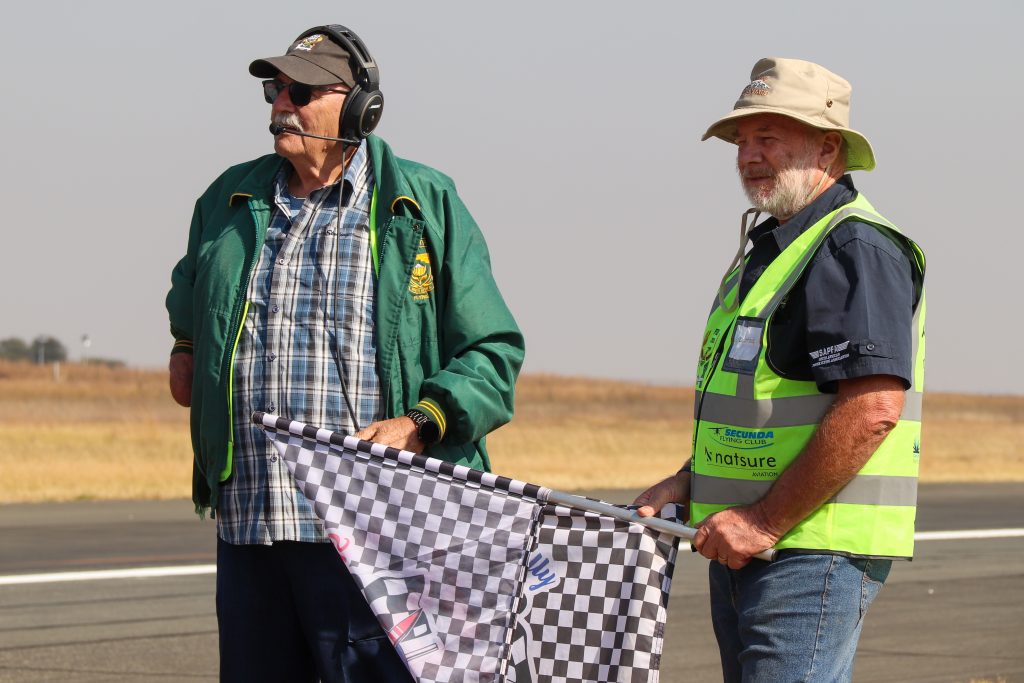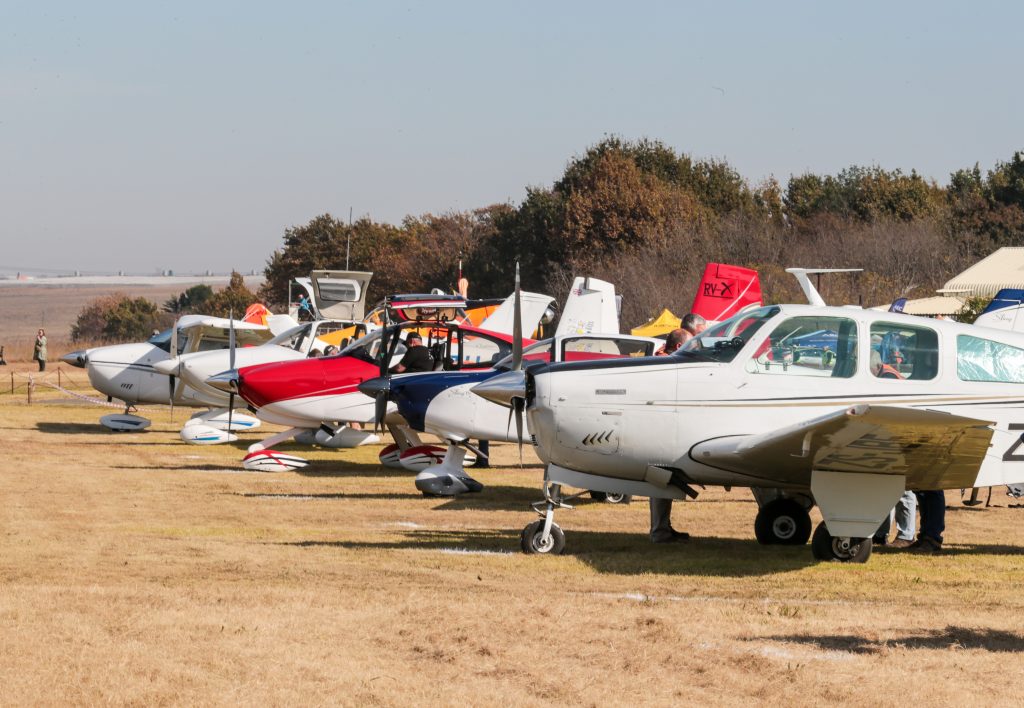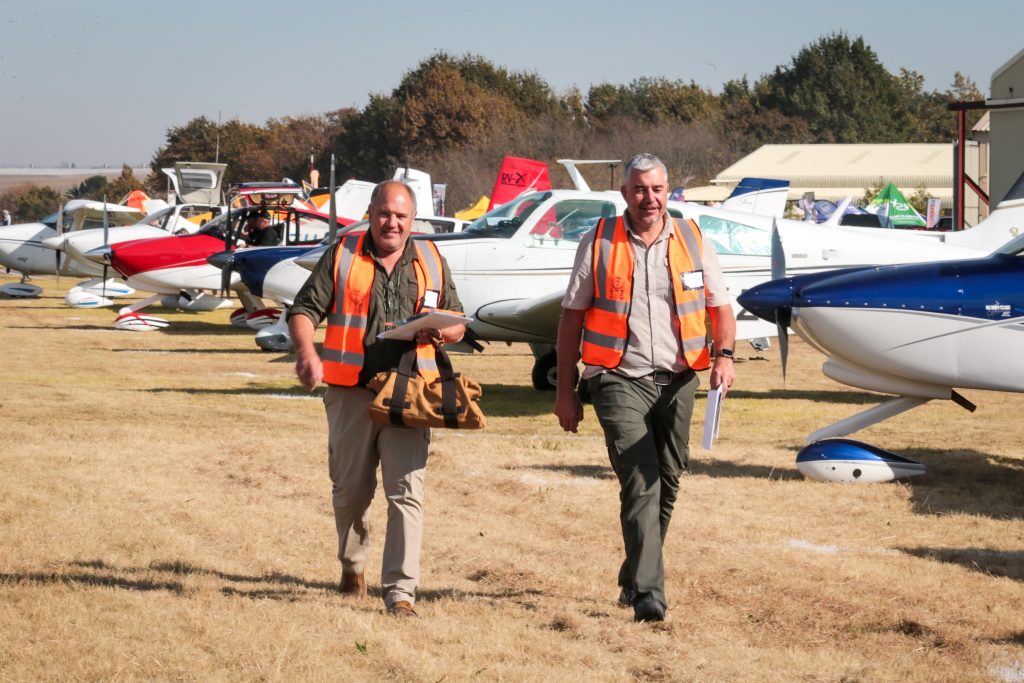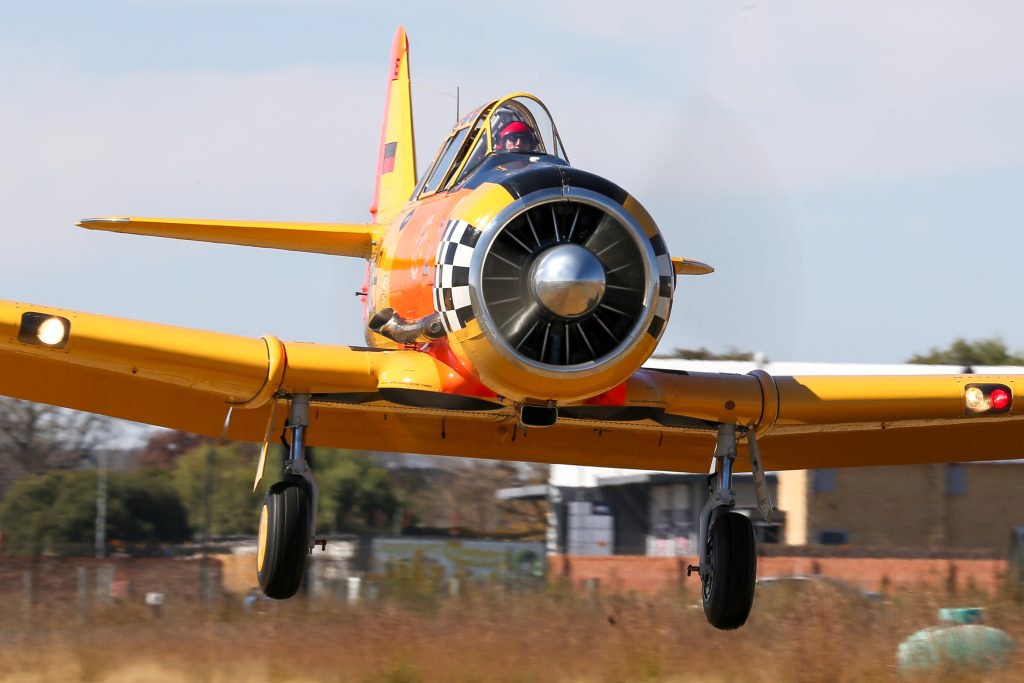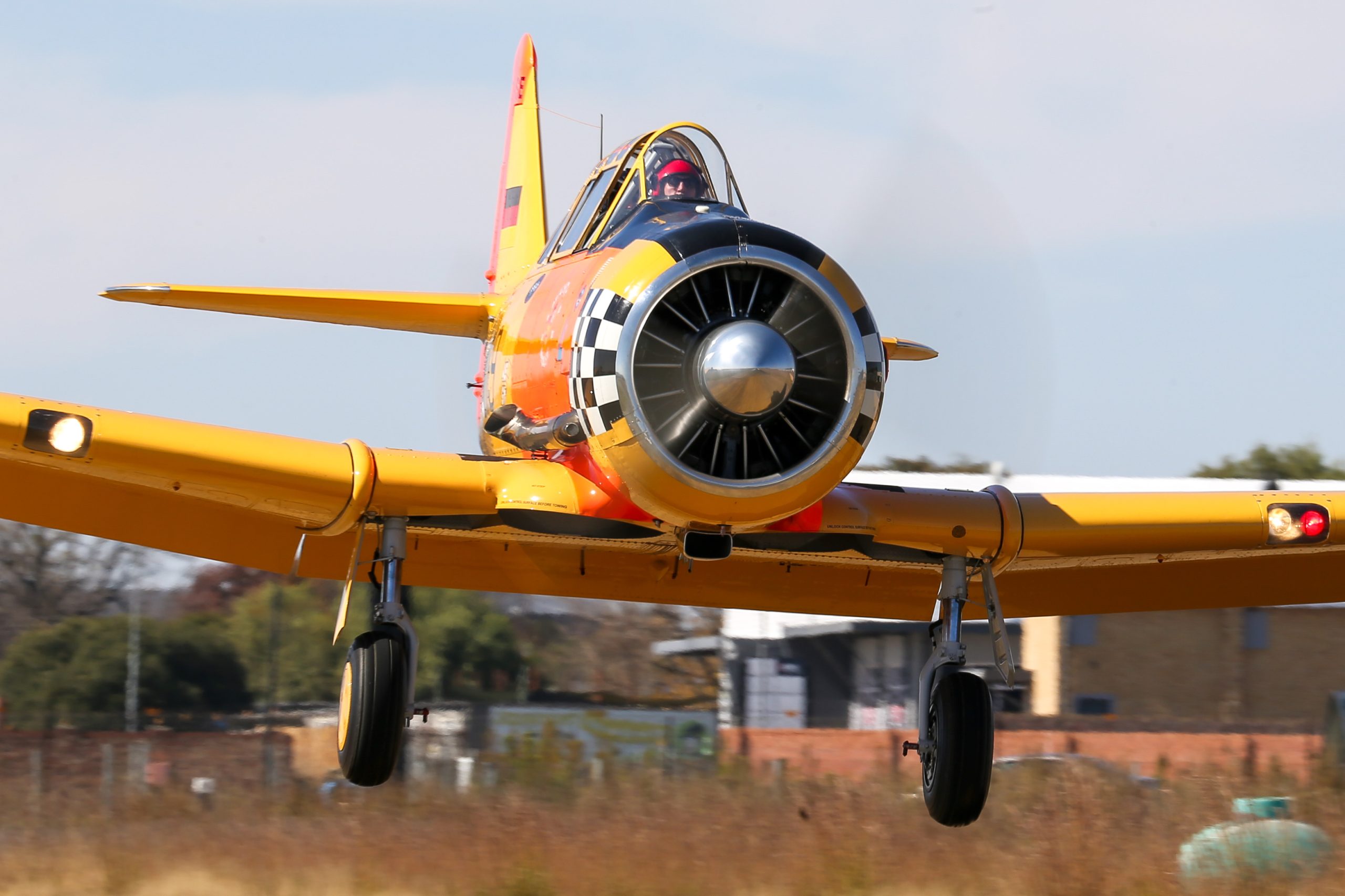

The prestigious President’s Trophy Air Race (PTAR) returned to the skies over Mpumalanga, bringing its signature blend of high-stakes navigation and aviator camaraderie to the Secunda Flying Club at Secunda Airfield (FASC). Tracing its roots back to the 1937 General’s Cup Air Race, this iconic aviation fixture, meticulously organized by the South African Power Flying Association, once again pushed the precision skills of South Africa’s finest pilots and navigators to the absolute limit.
A combination of harsh external factors contributed to a noticeably smaller field of competitors this year. Local economic pressures, the ongoing controversy surrounding the strict 12-year engine overhaul rule and a sharp spike in fuel prices linked to geopolitical tensions in the Middle East all combined to keep several regular teams grounded. Yet, while the numbers were down, the operational quality of the event and the enthusiasm of those present remained completely uncompromised.
Aside from some brisk winter winds and chilly seasonal temperatures, the Mpumalanga weather cooperated beautifully over the weekend. By the time final setup preparations wrapped up on Thursday, May 28, the stage was perfectly set for a weekend of intense aerial competition.
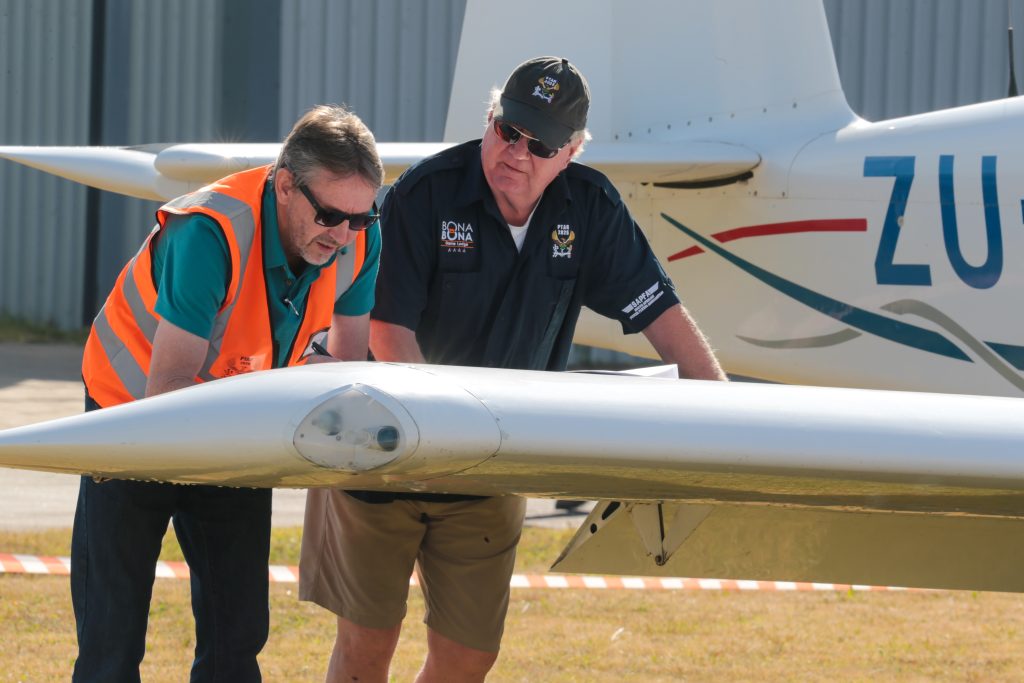
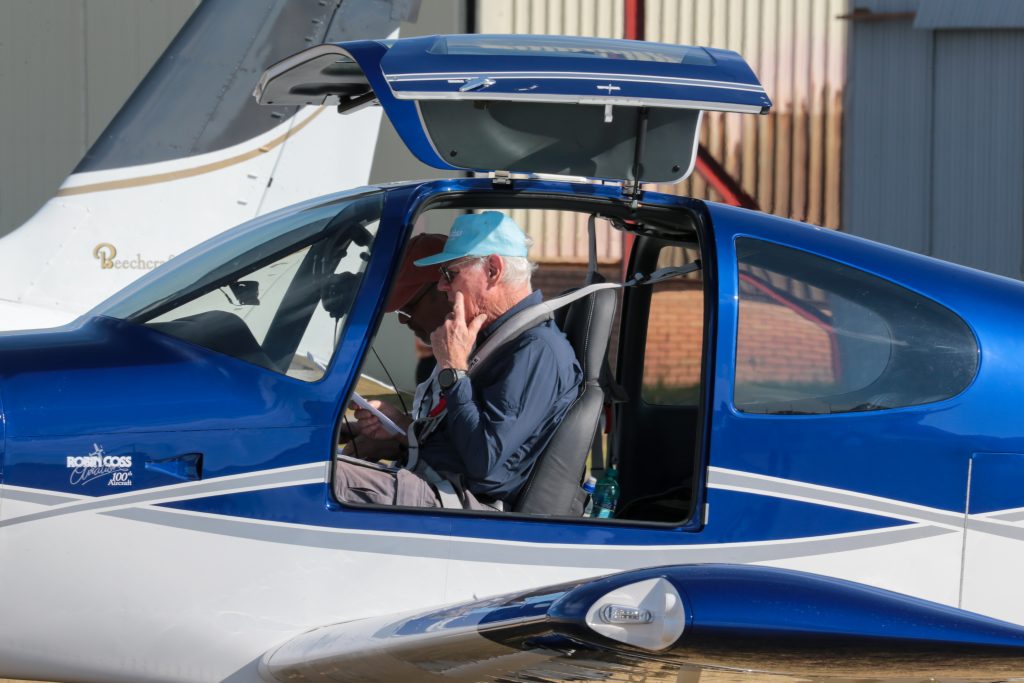
The competitive energy launched into high gear on Friday morning during the first official briefing led by Iaan Myburgh and his wife, Tarryn. The duo expertly demystified the intricate regulations that make the PTAR such a uniquely demanding contest. To ensure a level playing field, all modern electronic navigation aids were strictly confiscated and locked away, leaving crews to rely entirely on official flight loggers, pre-plotted paper maps with headings calculated within 5 degrees, turn-point photo sheets and a minute marker. Teams immediately set to work on their pre-flight calculations, seeking any competitive edge to secure a podium finish.
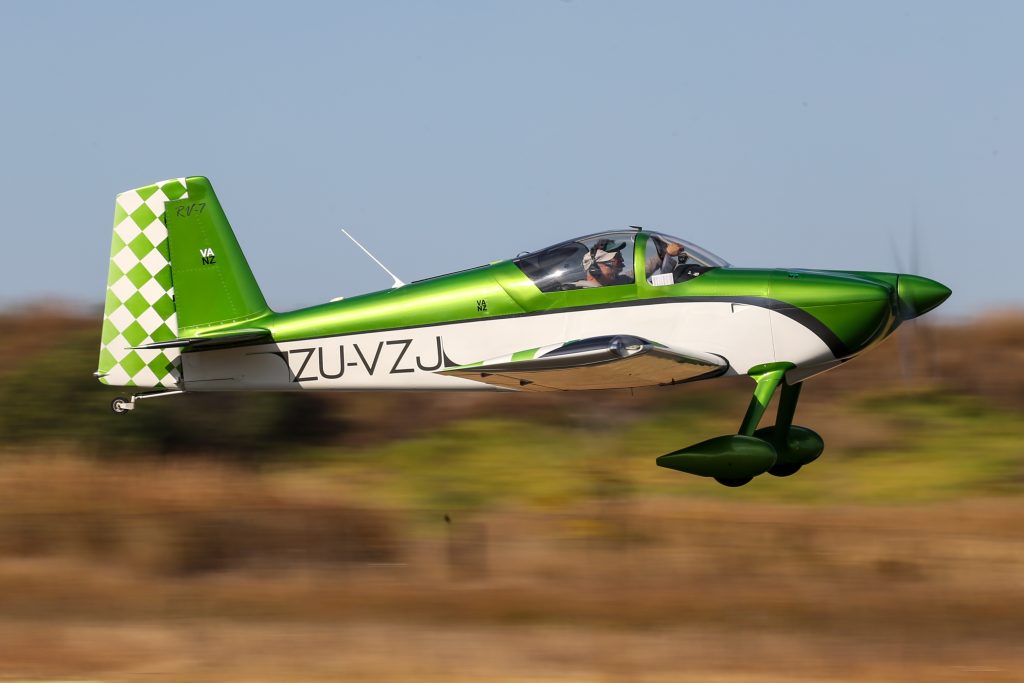
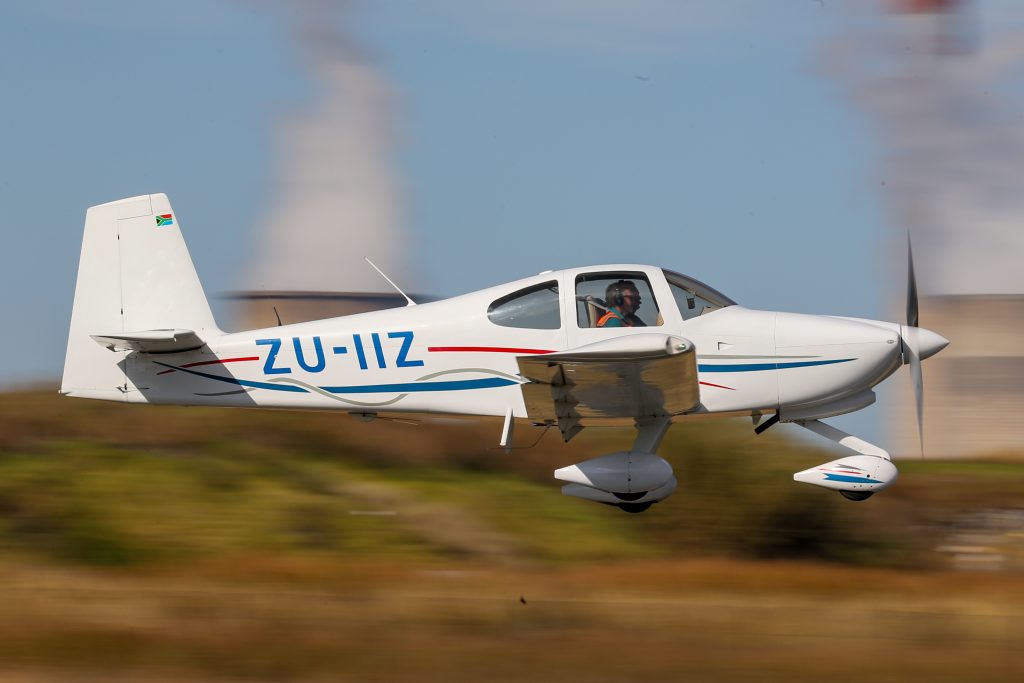
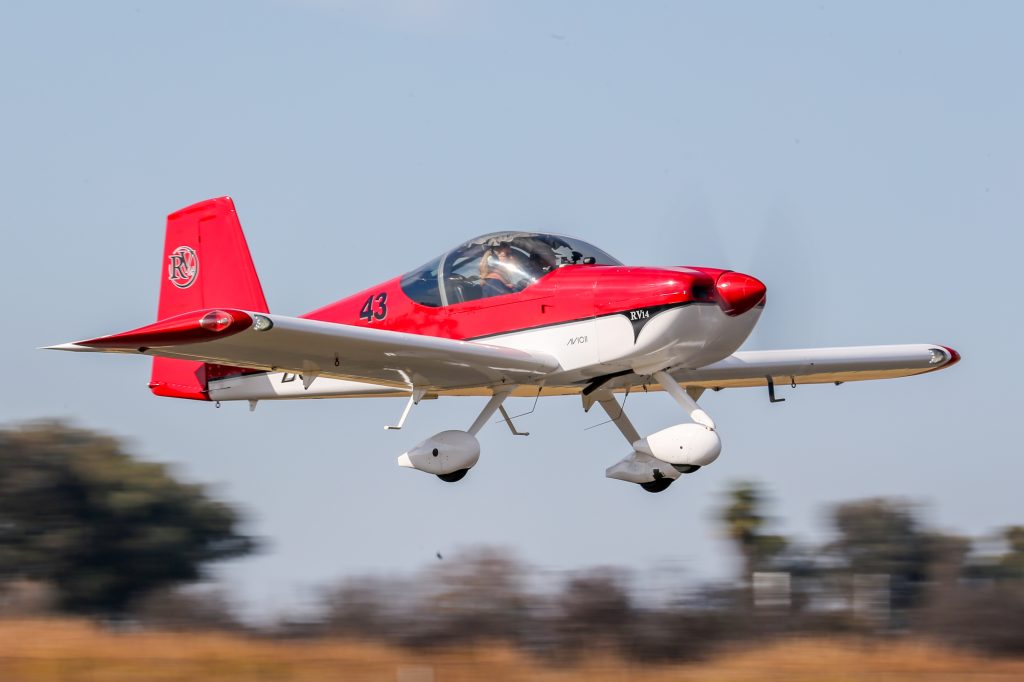
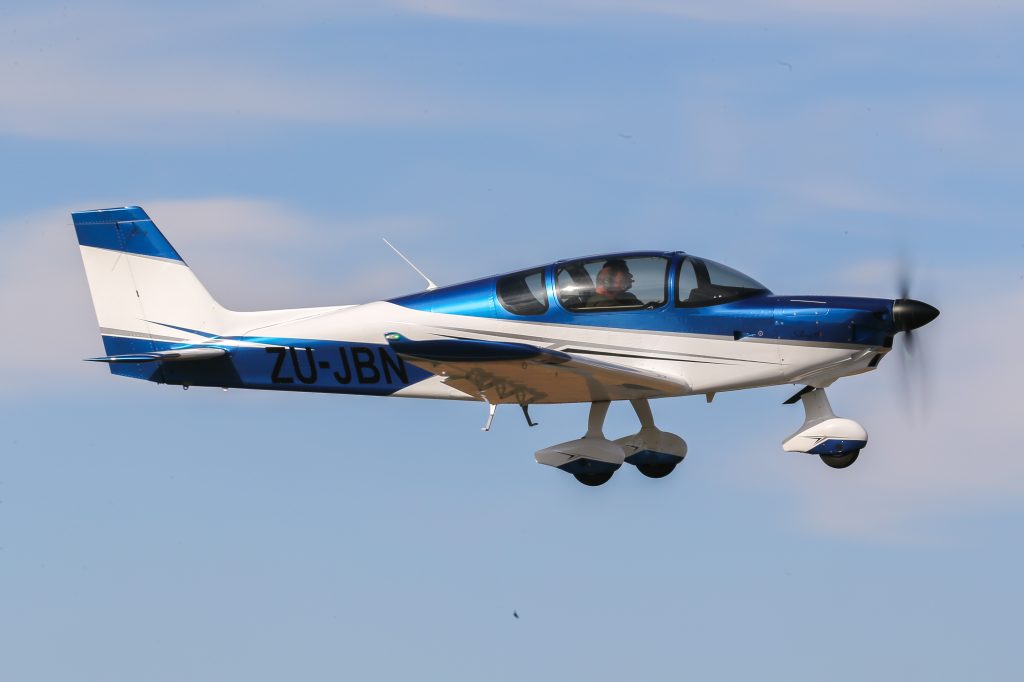
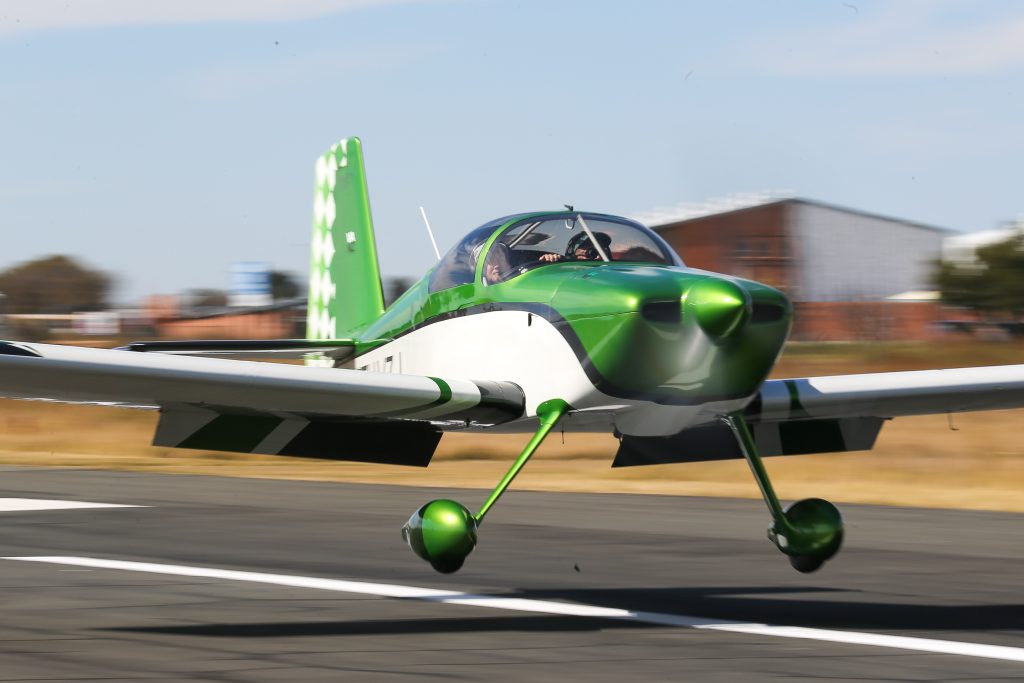
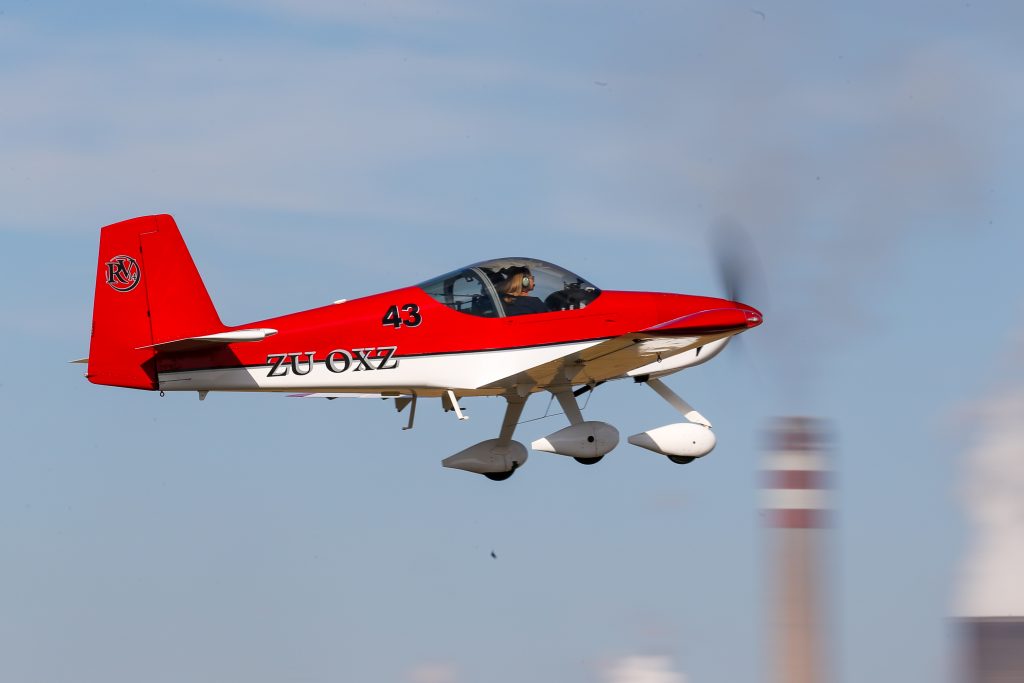
Friday’s opening heat followed a traditional handicap format where the speed machines set off first. The line-up featured high-performance entries including Dieter Bock and Nicholas Clark clocking a handicap speed of 212.65 knots in their Lancair Legacy, alongside a highly competitive contingent of Van’s aircraft, such as Adriaan and Elmie Kleyn in an RV14 at 170.65 knots, Paul Marskell and John Herbert in an RV10 at 167.09 knots, Etienne Smith and Mario Fabbario in an RV at 165.36 knots and Johan van Zyl and Eric Addison piloting an RV7 at 163.29 knots.
After a tense afternoon of waiting, the roar of approaching engines brought spectators rushing out onto the flight line. The preliminary, unofficial finish saw an impressive clean sweep by three variation models of Van’s RV aircraft, though the final standings remained tentative pending a thorough review of the digital flight loggers for tracking penalties.
Saturday morning brought a dramatic shift in conditions as heavy, low-lying fog blanketed the airfield, forcing safety officials to delay the decisive second leg by two hours. Once Safety Officer Nigel Musgrave cleared the radio procedures and the mist burned away, true race day was officially underway.
The second leg flipped the script with a reverse handicap start, sending the slowest aircraft off into the clear blue skies first. In a flawless handicapping scenario, every aircraft would ideally cross the finish line simultaneously, though real-world human error, missed turn points and corner-cutting inevitably separate the pack.
For the ground crews and aviation fans left behind, the two-hour wait for the returning fleet was a nerve-wracking experience, matched only by the intensity in the cockpit as pilots fought for airspace and clean tracks on their final approach.
The post-race afternoon transitioned into a relaxed, reflective gathering where old friends reconnected and analyzed their flight paths while awaiting the official data analysis from the loggers. The ultimate climax of the weekend took place during a formal gala dinner held at the spectacular Glass House at Secunda’s Lake Umuzi Waterfront.
The evening served as an opportunity to celebrate the event’s unsung heroes, thank dedicated sponsors and reflect on the heritage of the sport. In a poignant moment, Christoff le Grange of the Secunda Flying Club presented a donated portrait honoring the memory of the legendary aerobatic champion, the late Glen Dell, who tragically lost his life at the airfield years prior. Looking ahead to the future of the sport, Lift Airways Chairman Des Warden announced an exciting new sponsorship initiative aimed at introducing and integrating the next generation of youth into the general aviation community.
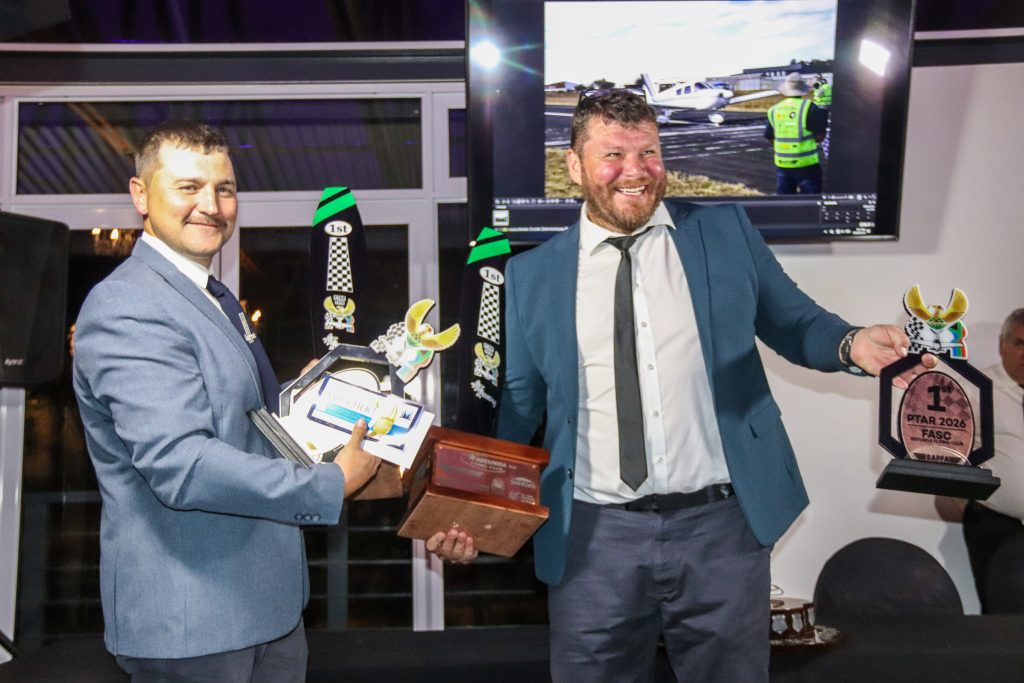
The highly anticipated announcement of the official results saw Henning Ellis and Lukas Eksteen emerge as the ultimate victors of the weekend, flying their way to the coveted President’s Trophy for gaining the most time on handicap. The skilled duo also secured the Best Northern Provinces award and the Best Piper award for their stellar performance. John Sayers and Dion Raath claimed a well-deserved second place overall, while the team of Leon Bouttell and Rob Jonkers locked down third place on the podium. Bouttell and Jonkers also walked away with the Best Interior Provinces Crew title and the John Sayers Turbocharged Award.
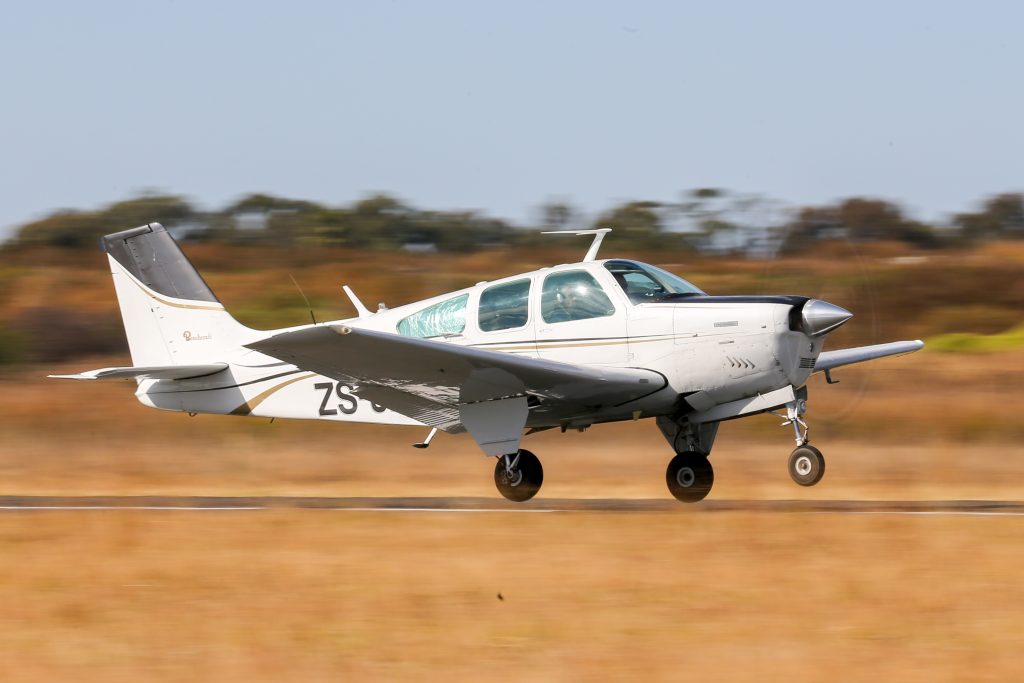
In other category highlights, Johan van Zyl and Eric Addison flew an exceptional race to capture the Best Coastal Provinces Crew title, the Best RV award and the Fastest Time Award for covering the rigorous course in the absolute quickest time. The father-and-son dynamic duo of Theodor Boshoff and Frans Boshoff proved unbeatable in their category, walking away with both the Best Beechcraft Award and the Kassie Kasselman Parent and Child Award.
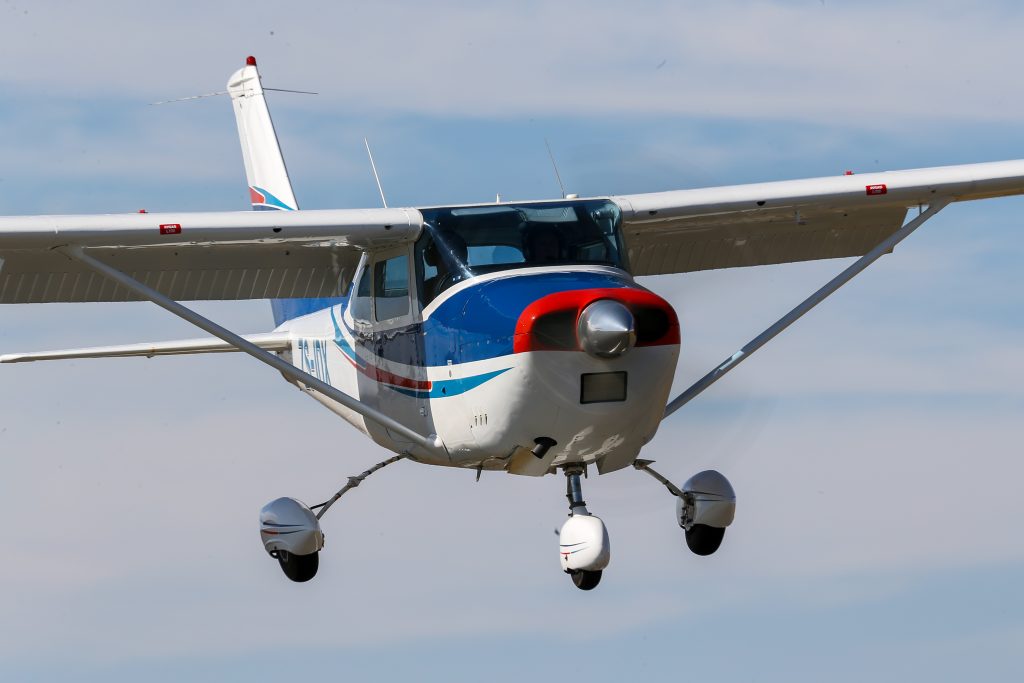
The future of the sport shone brightly with Kevin Cloete and Rehan van Tonder taking home the Novice Award as the first first-time team to cross the finish line, while Paul Haakenstad was celebrated as the Youngest Competitor of the event. Excellence in operation and safety was also acknowledged through the DJA Airmanship Award, which went to John Lehman and Judy Lehman for their exemplary conduct in the skies. Individual skill was further highlighted with Jackie Schouten and Werner Steenkamp winning the Best Cessna Award, while Adrienne Visser secured the Best Woman Award as the top-placed female competitor in this challenging edition of the PTAR.