Lorem ipsum dolor sit amet, consectetur adipiscing elit. Ut elit tellus, luctus nec ullamcorper mattis, pulvinar dapibus leo.
Click Here
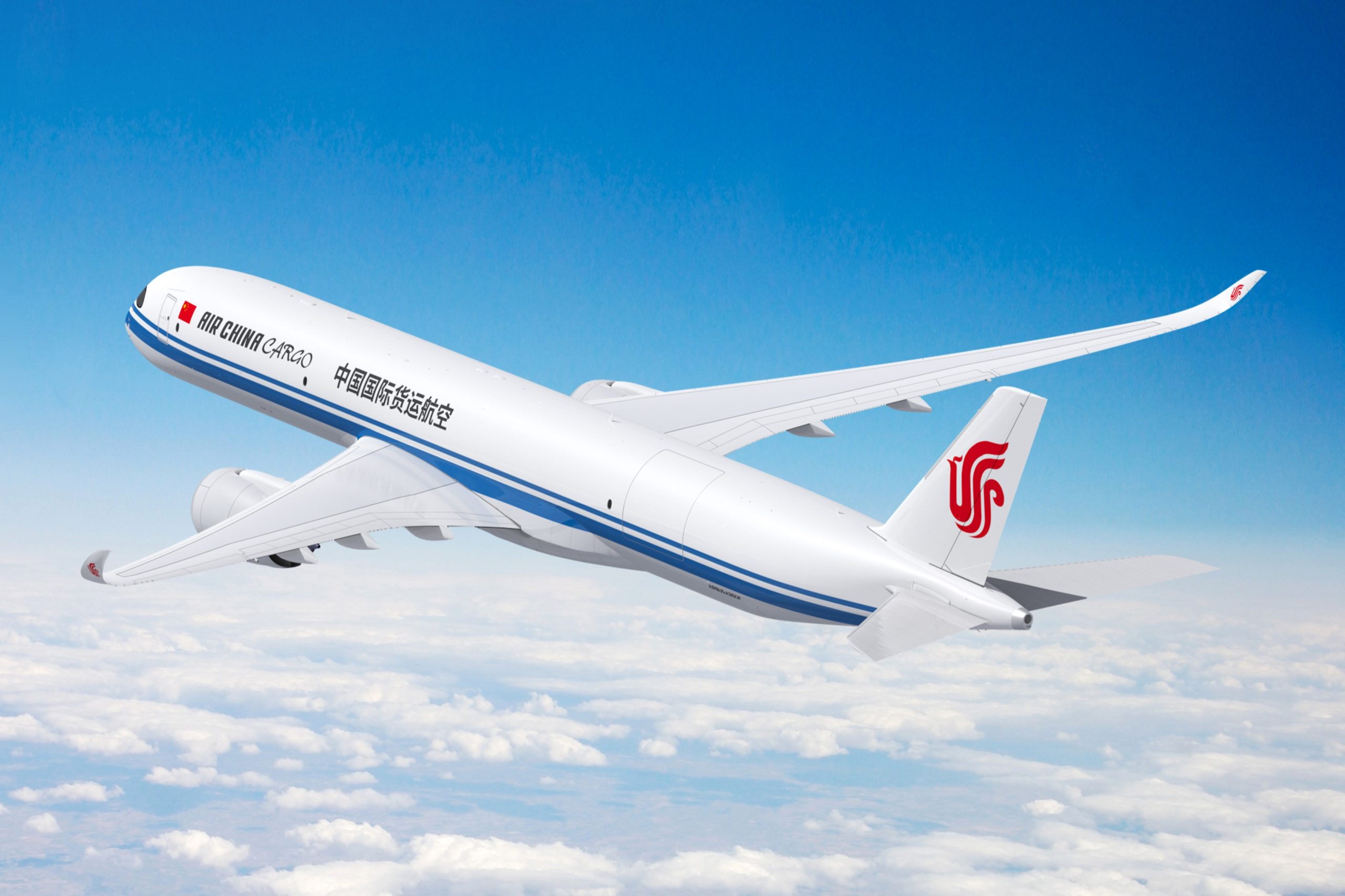
Air China Cargo Boosts A350F Fleet to 10 Aircraft
Air China Cargo Boosts A350F Fleet to 10 Aircraft
Air China Cargo Boosts A350F Fleet to 10 Aircraft
Jarryd Sinovich
In a major move to solidify its position in the international air freight market, Air China Cargo has signed a purchase agreement with Airbus for four additional A350F freighters. This latest agreement brings the carrier’s total order for the next-generation widebody freighter to 10 aircraft, building upon an initial order of six units placed in November 2025. The strategic acquisition is designed to optimize the carrier’s fleet structure and aggressively expand its long-haul transport capacity. According to Wang Hongyan, Vice President of Air China Cargo, the decision lays a solid foundation for long-term stable development by allowing the airline to better match the evolving demands of the global logistics sector.
Air China Cargo is no stranger to Airbus main deck capacity. The airline began integrating Airbus freighters into its operations at the end of 2023 and currently operates a fleet of eight A330-200P2F (Passenger-to-Freighter) aircraft. Once delivered, the flagship A350F will operate alongside the existing A330 conversions. This dual-model approach allows Air China Cargo to maximize operational advantages, utilizing the A330-200P2F for medium-to-long-haul sectors while deploying the high-capacity A350F on premier international long-haul routes.
The commercial appeal of the A350F lies heavily in its clean-sheet design and economic efficiency. Built using over 70% advanced materials, the aircraft is 46 tonnes lighter than its direct competitor. This structural advantage gives it a range of up to 8,700 kilometers while carrying a maximum payload of up to 111 tonnes. Equipped with Rolls-Royce Trent XWB-97 engines, the freighter delivers a 20% reduction in fuel consumption and carbon emissions compared to previous-generation aircraft with similar capabilities. Crucially for global operators, it stands as the only production freighter that fully meets the strict ICAO 2027 CO₂ emission standards. The aircraft also aligns with global sustainability targets, carrying a 50% Sustainable Aviation Fuel (SAF) capability at entry-to-service with Airbus aiming for 100% compatibility by 2030.
Benoît de Saint-Exupéry, Airbus Executive Vice President of Sales for the Commercial Aircraft business, noted that the repeat order underscores the industry’s growing confidence in the A350F as the definitive next-generation cargo platform. The agreement further accelerates the commercial momentum for the program. By the end of April 2026, the A350F had already secured 101 orders from 14 prominent customers worldwide, proving that the shift toward cleaner, more efficient and highly capable heavy logistics is well underway.
Share:
Facebook
Twitter
Pinterest
LinkedIn
NEWSLETTER
Subscribe to our newsletter for new blog posts, tips and news