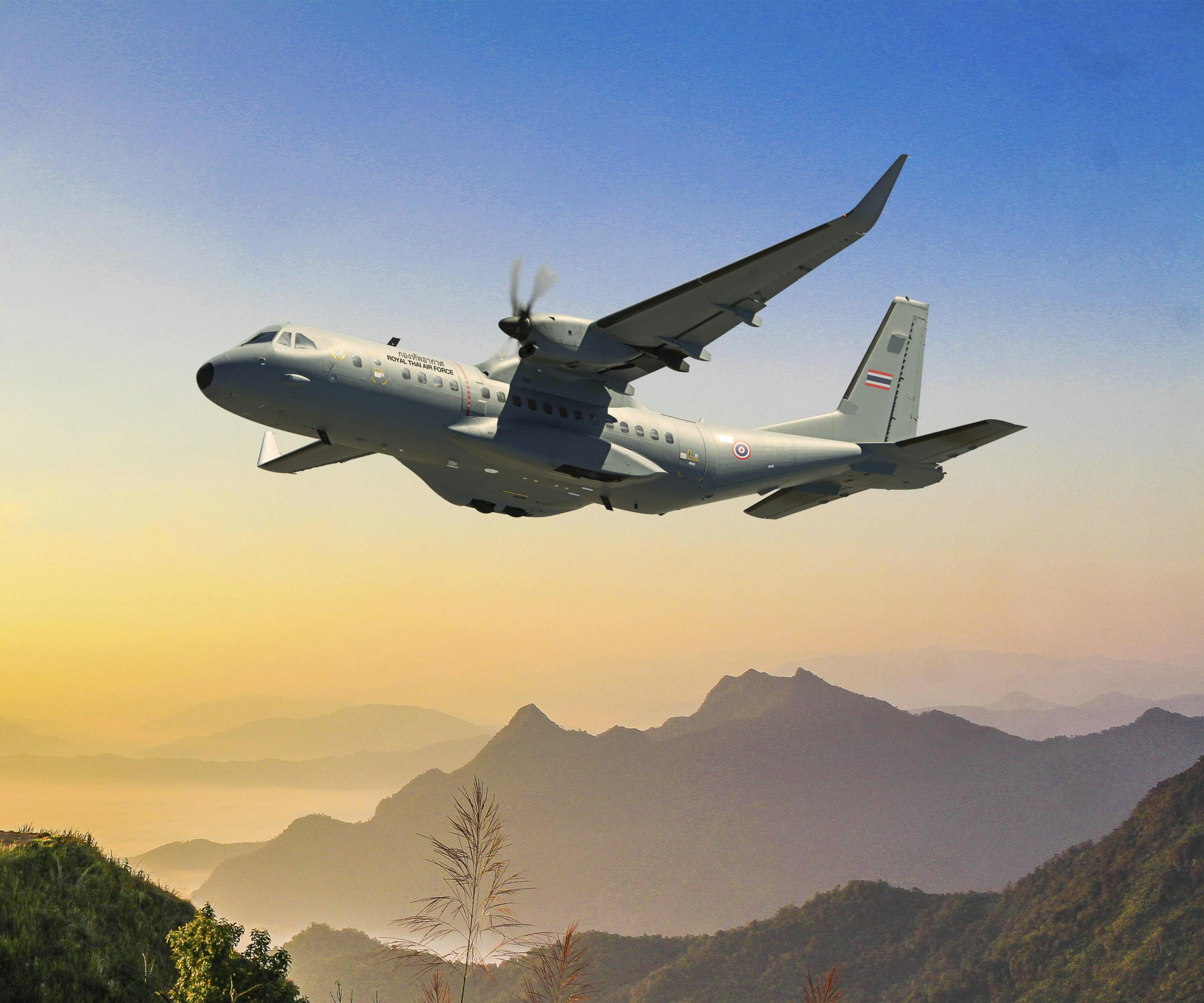
In a move to significantly modernize its medium-lift transport infrastructure, the Royal Thai Air Force (RTAF) has placed a firm order for two Airbus C295 tactical transport aircraft. The contract marks a pivotal expansion of Thailand’s military logistics capabilities, introducing a highly flexible, combat-proven platform into its air arm. The two newly acquired airframes will be operated by the RTAF’s 46th Wing Division, flying out of Phitsanulok Air Base in central Thailand. This strategic positioning will allow the RTAF to provide rapid response capabilities for both defense operations and humanitarian assistance and disaster relief missions across the country.
While this order marks a fresh chapter for the RTAF, the Airbus C295 is a familiar silhouette in Thai skies. The Royal Thai Army has successfully operated a fleet of three C295s since 2016, utilizing them primarily for heavy cargo logistics, troop transport and domestic deployment tasks. By integrating the C295 into the Air Force as well, Thailand establishes a shared, cross-service aircraft type. This joint-force footprint will streamline training pipeline efficiencies, foster interoperability during joint domestic operations and unlock logistical advantages.
The C295’s selection hinges on its renowned multi-role versatility, particularly its ability to operate where heavier strategic airlifters cannot. Designed with an unobstructed 12.69-meter pressurized cabin and a robust rear loading ramp, the aircraft can quickly transition between several mission profiles. In a pure troop transport configuration, it comfortably accommodates up to 71 fully equipped soldiers. For airborne operations, it can be rigged to drop 49 combat paratroopers from either the side doors or the main ramp. When tasked with tactical logistics, it handles heavy cargo, specialized machinery or up to five standard military pallets. Finally, for medical evacuation needs, it can be quickly outfitted to hold up to 24 NATO-standard stretchers alongside intensive care units and medical personnel.
Crucially for the Southeast Asian operating theater, the C295 is built with high-flotation landing gear, enabling short take-off and landing operations on unpaved, soft or unprepared runways. This makes it an invaluable asset for reaching remote regions or disaster zones lacking developed aviation infrastructure. To ensure high operational availability and smooth induction, Airbus is leveraging its existing industrial ties within the country. Through an ongoing partnership with Thai Aviation Industries, local engineers and maintenance crews will receive advanced training and technical resources. This domestic support network is designed to guarantee self-reliant, localized maintenance, repair and overhaul support for the expanded Thai fleet.
Manufacturing and final assembly of the new aircraft will take place at the Airbus Defence and Space production facilities in Seville, Spain. The first airframe is officially scheduled for delivery during the first half of 2029. The Thai order further solidifies Airbus’s stranglehold on the medium tactical transport market. Thailand is one of seven nations utilizing the type within the Asia-Pacific region, contributing to an impressive global footprint.
Currently, the C295 commands an impressive 85% of the market share in its segment, boasting a total of 333 orders from 39 countries across four continents. To date, the global fleet has logged over 750,000 flight hours. The aircraft’s twin Pratt & Whitney Canada PW127G turboprop engines and modern avionics suit offer a remarkably low total cost of ownership compared to aging legacy platforms. For regional air forces looking to bridge the gap between heavy lifters and utility helicopters, it remains the global benchmark.