
Sometimes aircraft are removed from production despite being excellent at their tasks. Here are several aircraft we believe should be considered to be put back on production.
IN NO PARTICULAR ORDER:
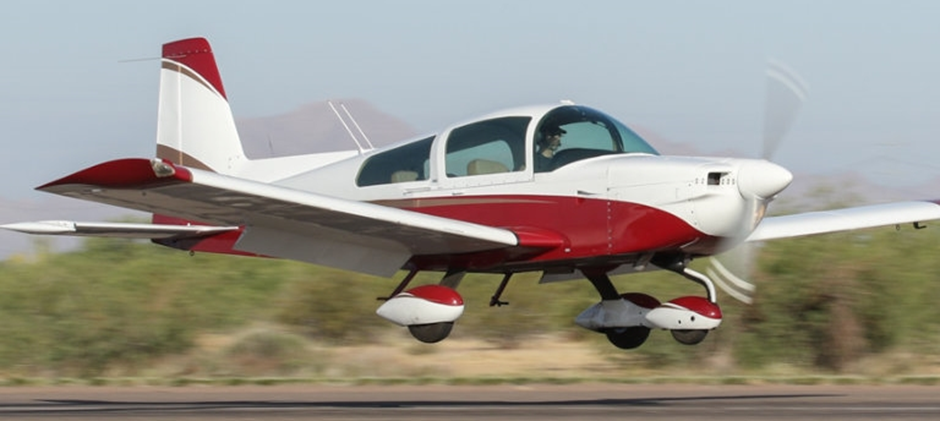
AA-5B Tiger
One of the greatest accomplishments of the late Jim Bede’s aircraft design legacy, this four seat aircraft was revolutionary at the time – with a free-castoring nosewheel, bonded wing skins and a lightweight expanded-aluminum airframe structure. Introduced by American Aviation, the AA-5 first flew in the summer of 1970. Later called the Tiger, it had by then had received the correct engine, the 180-hp Lycoming, which gave it the kind of Skylane-level cruise speeds and sprightly climb performance that made owners fall in love with it. Surprisingly roomy, excellent visibility, low maintenance costs and it is a great instrument platform. Although no longer in production, but with 3,282 built over 35 years there really aren’t that many out there.
Bring it back!
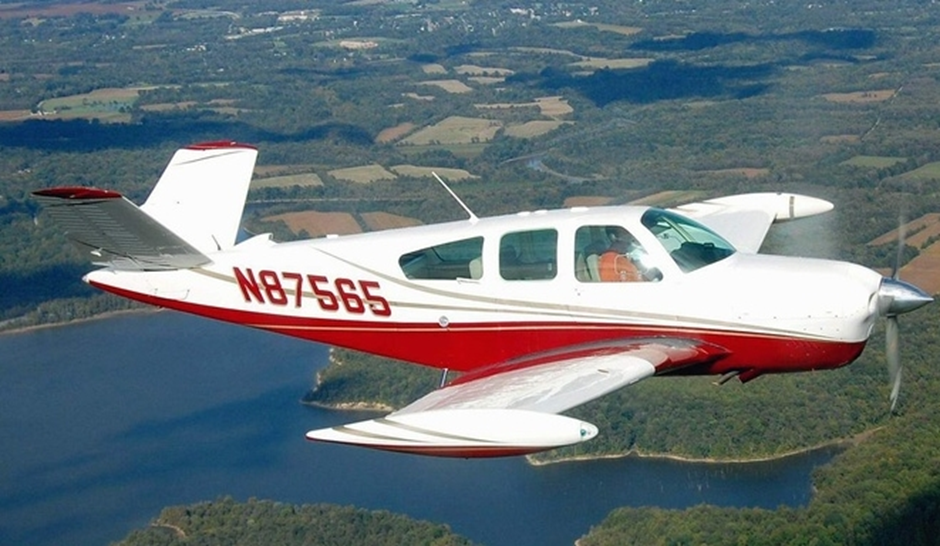
Some Bonanza fanatics think that there’s no such thing as a Bonanza without V-tail. The original Bonanza was a V-tail model. Introduced to the public in 1947, it was light, fast, modern and easy to fly and is arguably the most revolutionary light aircraft in aviation history. For the next decade and a half (not counting the Twin Bonanza), the V-tailed Model 35 was the sole menu item. Straight-tail “Bonanzas” started showing up in the early ’60s, and there are so many arguments to be made as to why that configuration is an improvement over the V-tail. Models 33 and 36 are each more stable than the forked-tailed version. They have better safety records, there are fewer structural problems with their tails, and the tendency to Dutch roll is gone. But the V-35 is just so beautiful. It handles like a bobsled on a smooth and fast track, it’s beautifully appointed and, from an aesthetic perspective, it’s just the coolest. A real work of art, the last one rolled off the line in 1982. Beech built more than 10,000 Bonanzas over the decades with production still continuing today.
Wouldn’t a brand-new V-tail Bonanza be the best?
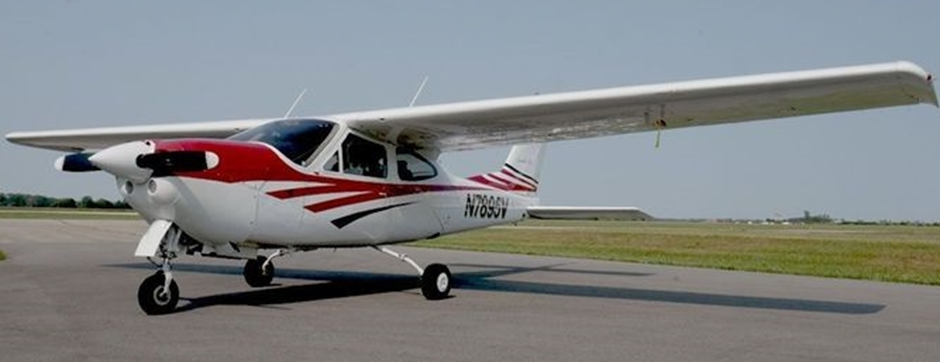
The Cardinal is arguably one of the most beautiful Cessna’s ever built. Introduced in the late ’60s, the Cardinal was intended by Cessna as a replacement for the 172. However it didn’t work. Cessna built more than 4,000 Cardinals following the type’s introduction in 1968. Its major feature is the setback cantilever high wing which allows easy access to the seating area. It is comfortable and has terrific visibility, but not fast, with a cruise speed of around 120-125 knots. Even the retractable-gear 177RG isn’t much faster than that. If you note the Cardinal’s passing from production in 1978, seven years before the company pulled the plug on the rest of its singles, you might get the idea that it wasn’t selling well which was correct. This aircraft could find a place today with a newer generation of pilots.

Once the C210 Centurion got the cantilever wing and the big motor, they became a simply outstanding aircraft. If Cessna can modernize the 210 and maybe even thrown in a chute to appeal to the prospects who buy Cirrus SR22s, it might be a contender. The 210 has it all. It has a prodigious payload, terrific true airspeeds. The turbo model is a beast, and the aircraft is both capable and an awesome looker. With an updated glass panel, as so many existing 210s sport today, who wouldn’t want one? It isn’t in the same class as the SR22, but as it has a couple more seats like the Beechcraft G36 Bonanza, and because of this it could appeal to modern sensibilities.
Bring it back.
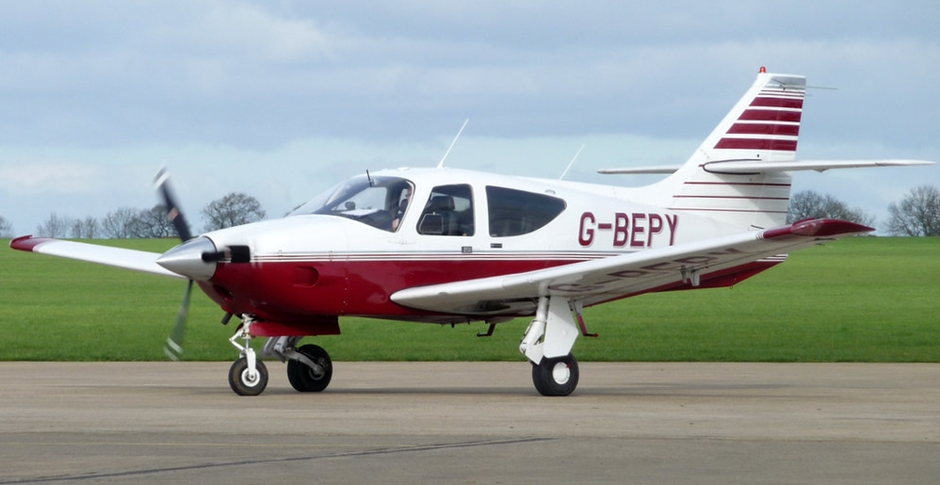
The Commander, launched by Rockwell Aircraft at the dawn of the ’70s, was ultimately produced in decent numbers. Around 1,200 of these four seaters made it out the factory doors. It’s a roomy aircraft from an era when rubbing shoulders with other pilots was a literal expression. Book numbers for the Commanders are among the most ambitious in aviation, but with its 260 hp (some were turbocharged), the roomy, cruciform-tailed Commander can do around 150 knots at cruise. Early models were payload limited—it’s fuel or passengers; you decide. The aesthetics and quality work inside and are among the best in the biz. A very solid cross-country and instrument platform, the Commander is good at doing just what it was designed to do, though everyone wished it was about 15 knots faster.
Just too good not to bring it back.
Summary
Of all the aircraft featured here, the Commander and the Tiger are the ones most likely to make it back to production, though neither’s chances are all that great.